
McLeod Ganj and Bhagsu
The Dalai Lama's temple, the waterfall at Bhagsu, the Tibetan market, and tea at Naddi while the light goes. A full day out without changing hotels.
- McLeod Ganj
- Bhagsunag
- Naddi
- Dal Lake
Trips we run
These are the ones people ask for most. Most start in Dharamshala, a few from Chandigarh or Shimla because that is where the road begins, and any of them can be made shorter, longer or joined together. Each one has the days laid out and the driving times we actually expect, rather than the ones that look best on paper.
Leave after breakfast, back the same evening. No packing.
The Dalai Lama's temple, the waterfall at Bhagsu, the Tibetan market, and tea at Naddi while the light goes. A full day out without changing hotels.
A weekend, and still time to sit somewhere rather than only drive.
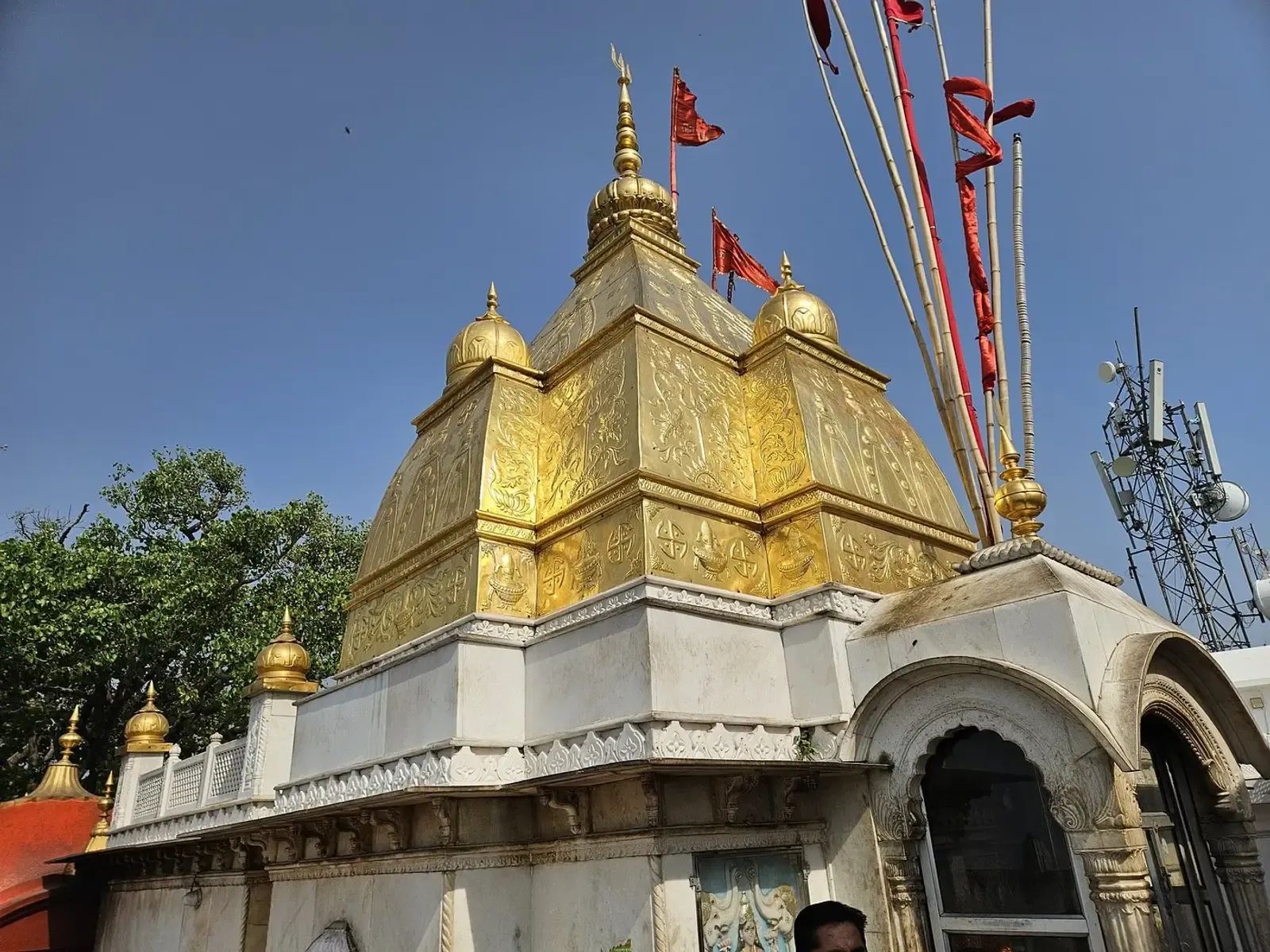
The five temples of the Himachal Devi Darshan, driven in the order that actually works — starting at Naina Devi on the way up from Chandigarh and finishing at Chamunda Devi, twenty minutes from our own door. One car, one driver, all three days.
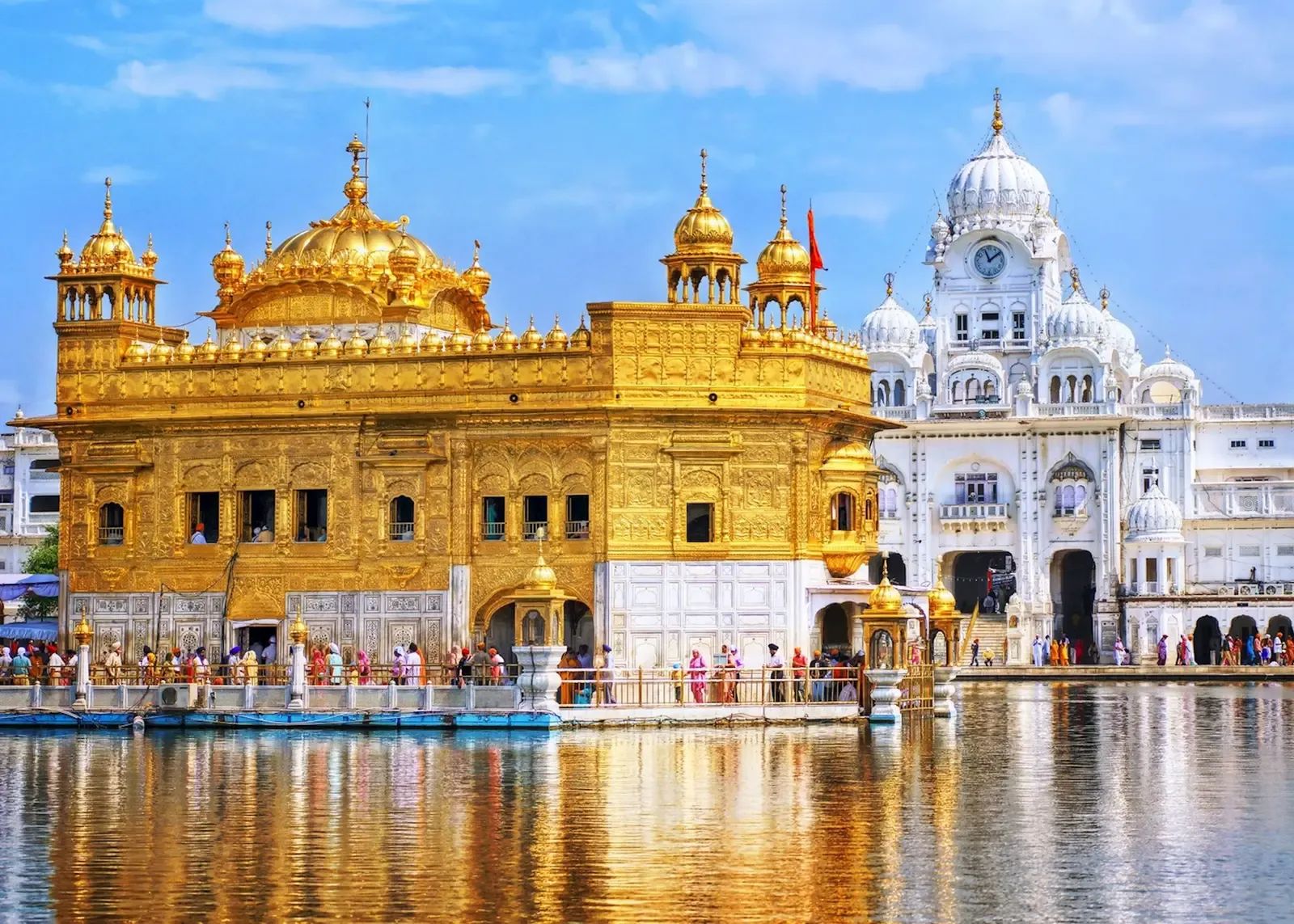
Down out of the hills into Punjab. The Golden Temple first thing in the morning, Jallianwala Bagh, and the border ceremony at Wagah. Most people tack this onto either end of a Himachal trip.
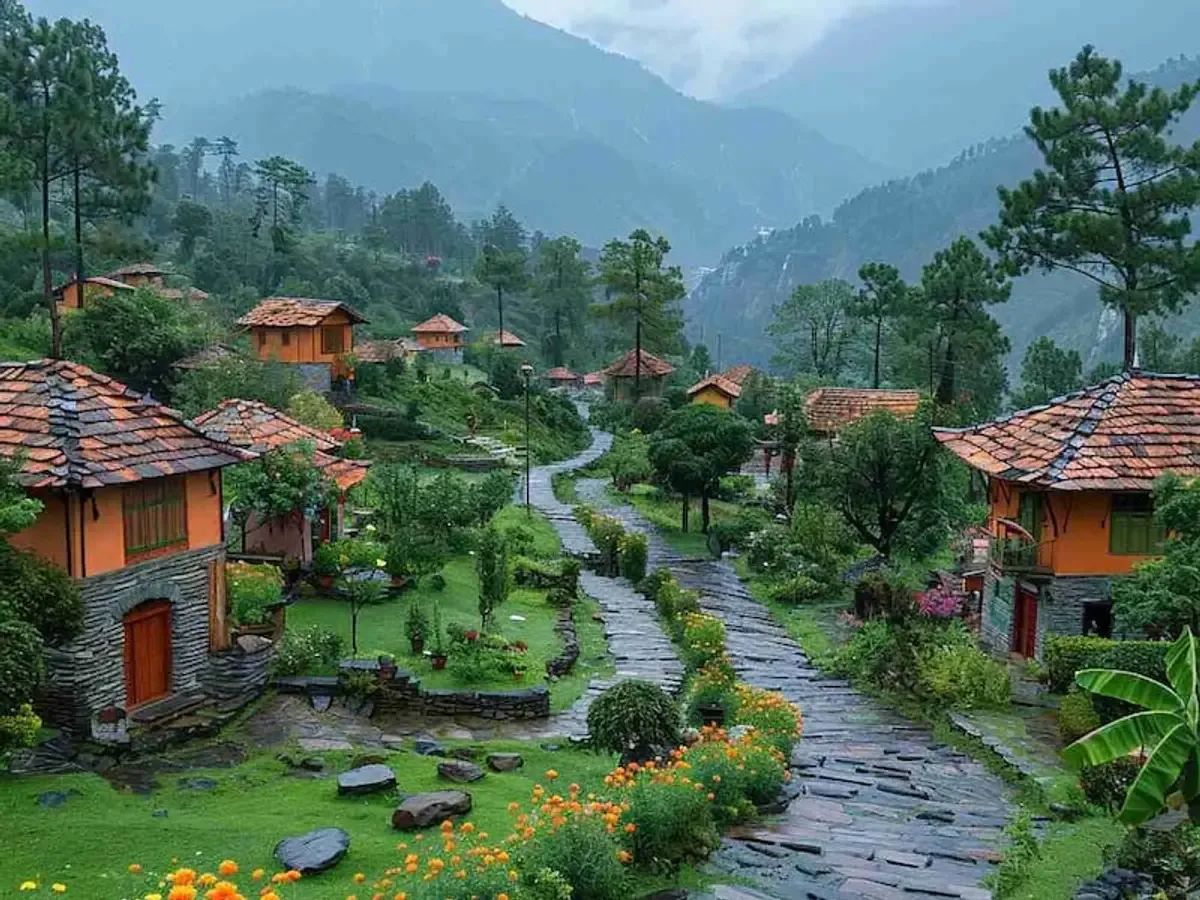
An hour from Dharamshala and ten degrees warmer. Kangra tea planted to the foot of the Dhauladhar, a working pottery in a village of artists, and a thirteenth-century temple on the way home.
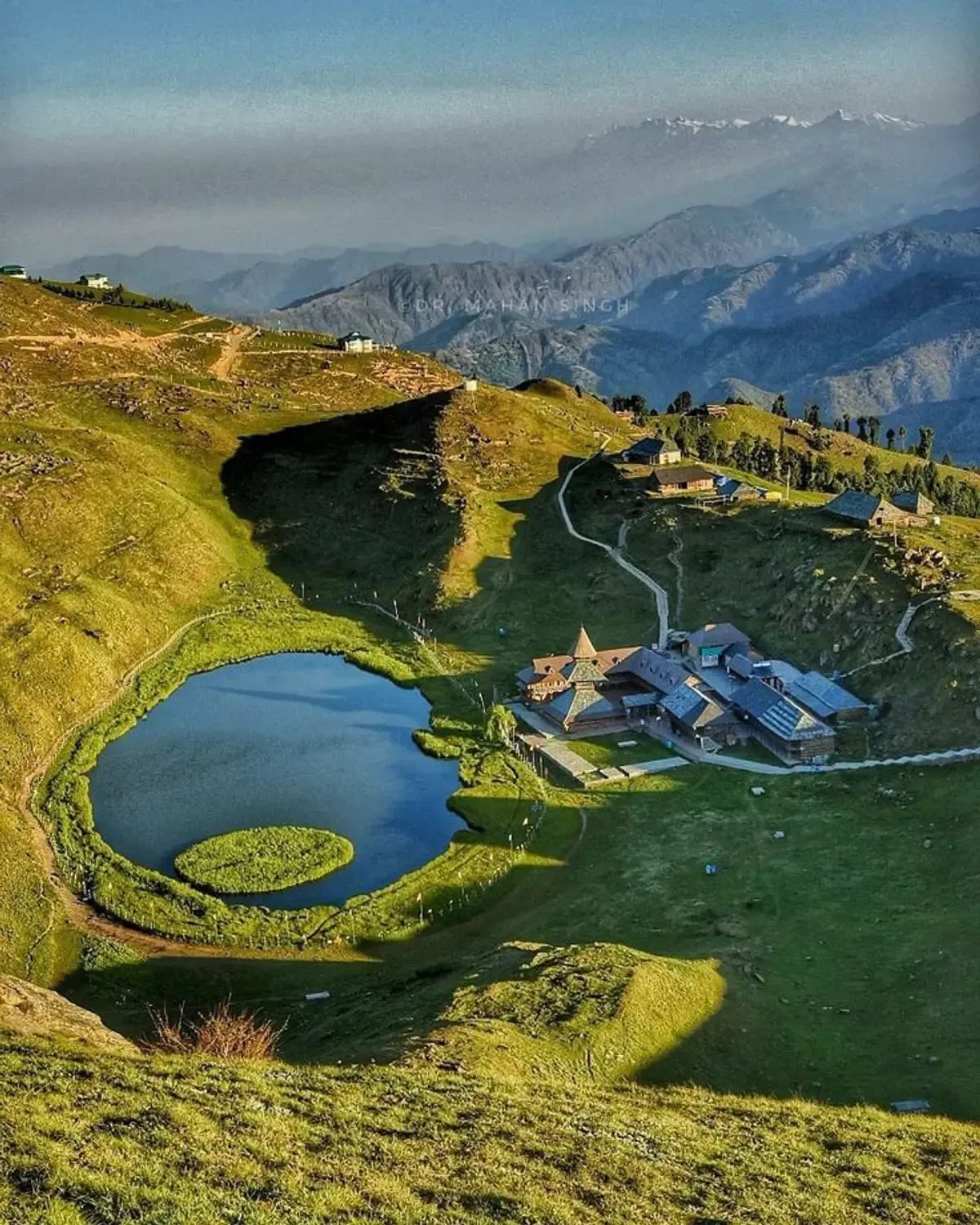
The town everyone drives past on the way to Manali, the lake three faiths share, and a thirteenth-century pagoda beside a small deep water at 2,730m. Three days, and a dawn start for the one that matters.
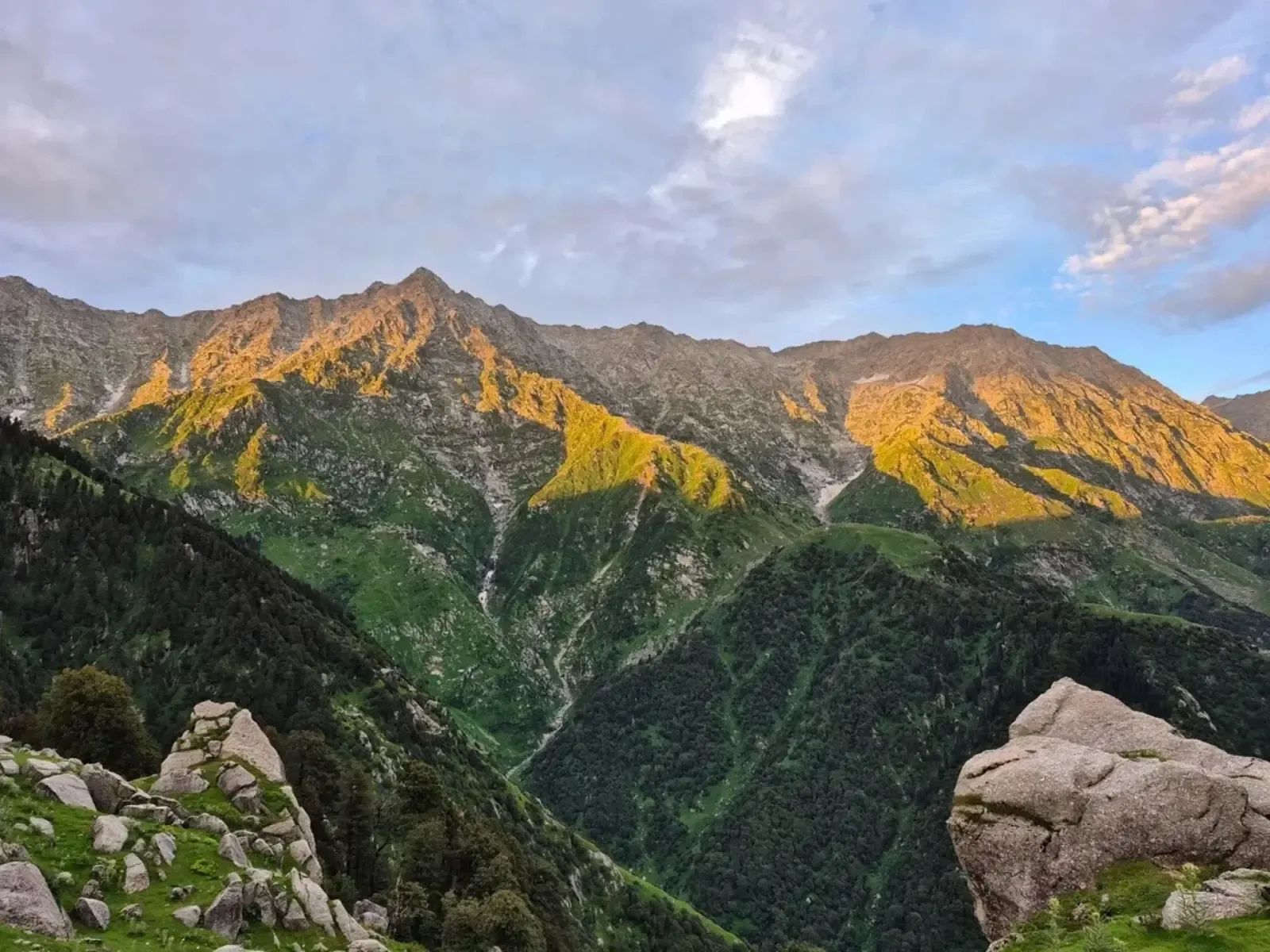
Nine kilometres up from Gallu Devi to a grass shoulder at 2,828m with the Dhauladhar wall directly behind it, a night under canvas, and down the next morning. The one walk we would put almost anybody on.
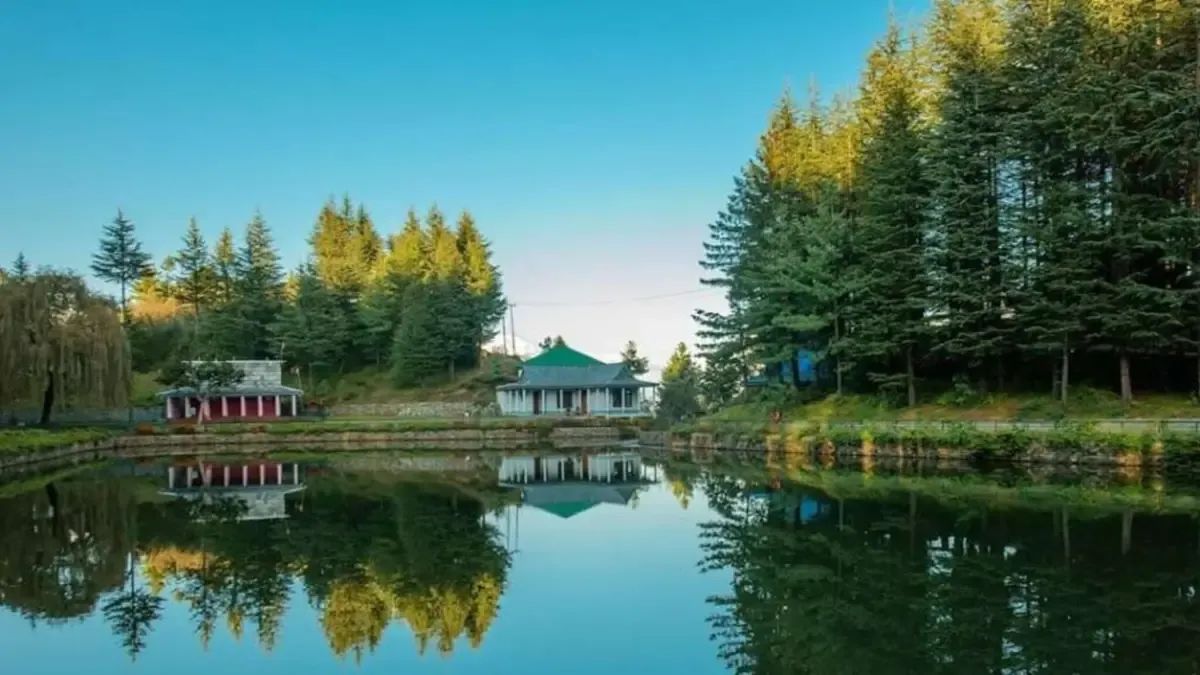
Sixty-five kilometres past Shimla the hill stations stop and the orchards start. Three days in the country an American called Satyanand Stokes planted with apples in 1916, and a road to a temple at 3,400m.
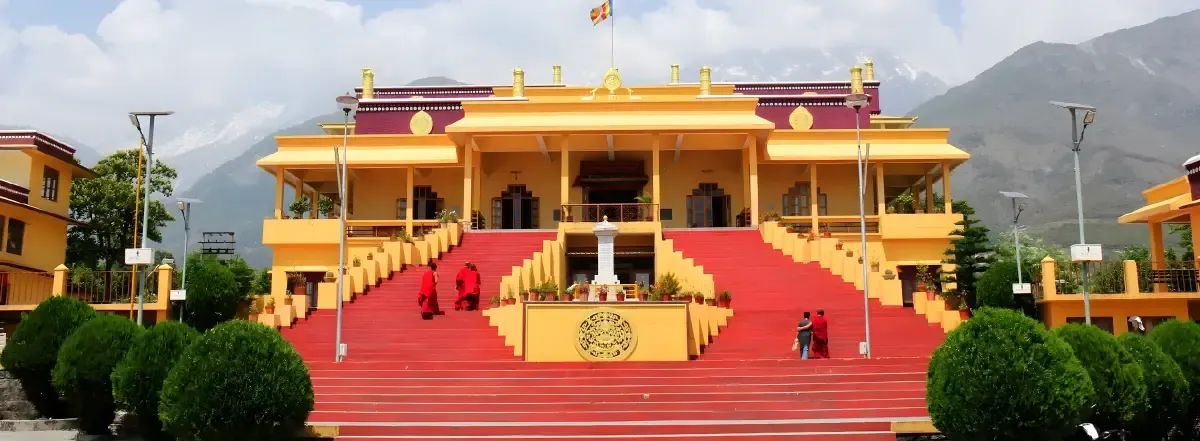
Seven exile institutions strung along forty kilometres of the Kangra valley — a craft school where thangka painters train for six years, two monastic colleges, a Khampa village. Three days of the thing Dharamshala is actually known for.
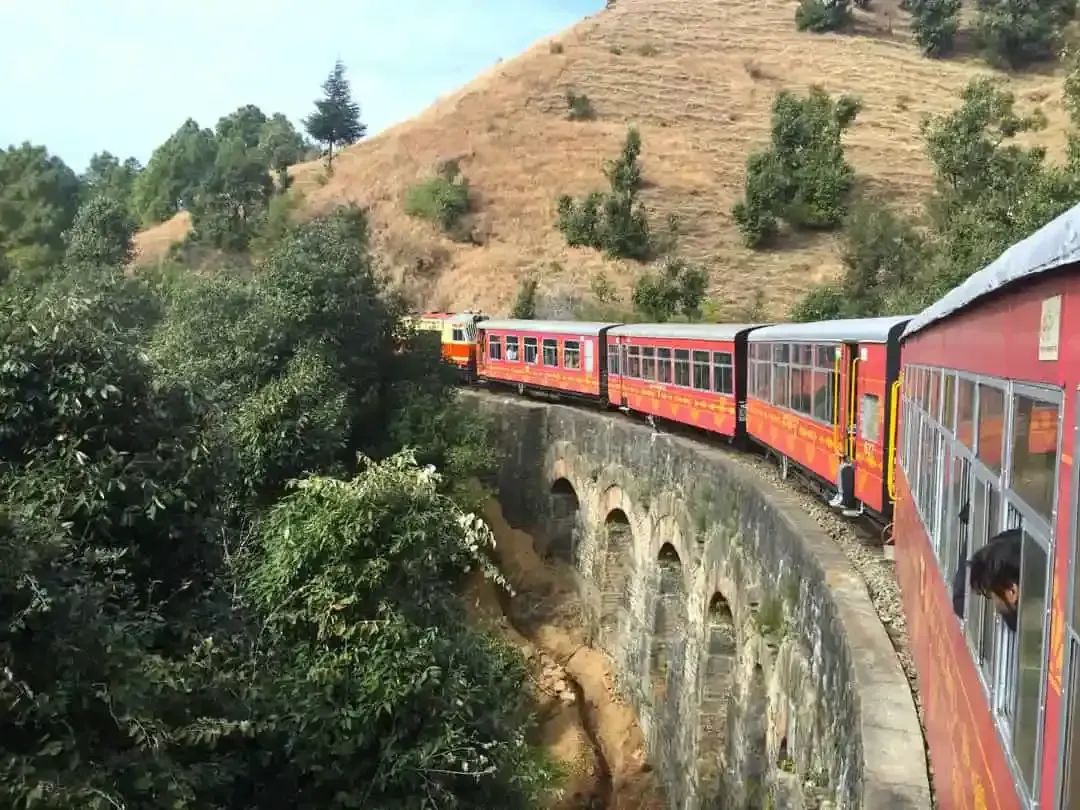
Ninety-six kilometres of two-foot-six-inch track, 102 tunnels and most of a morning to climb 1,419m. You take the train up and we drive the luggage, then two days in the town it was built to reach.
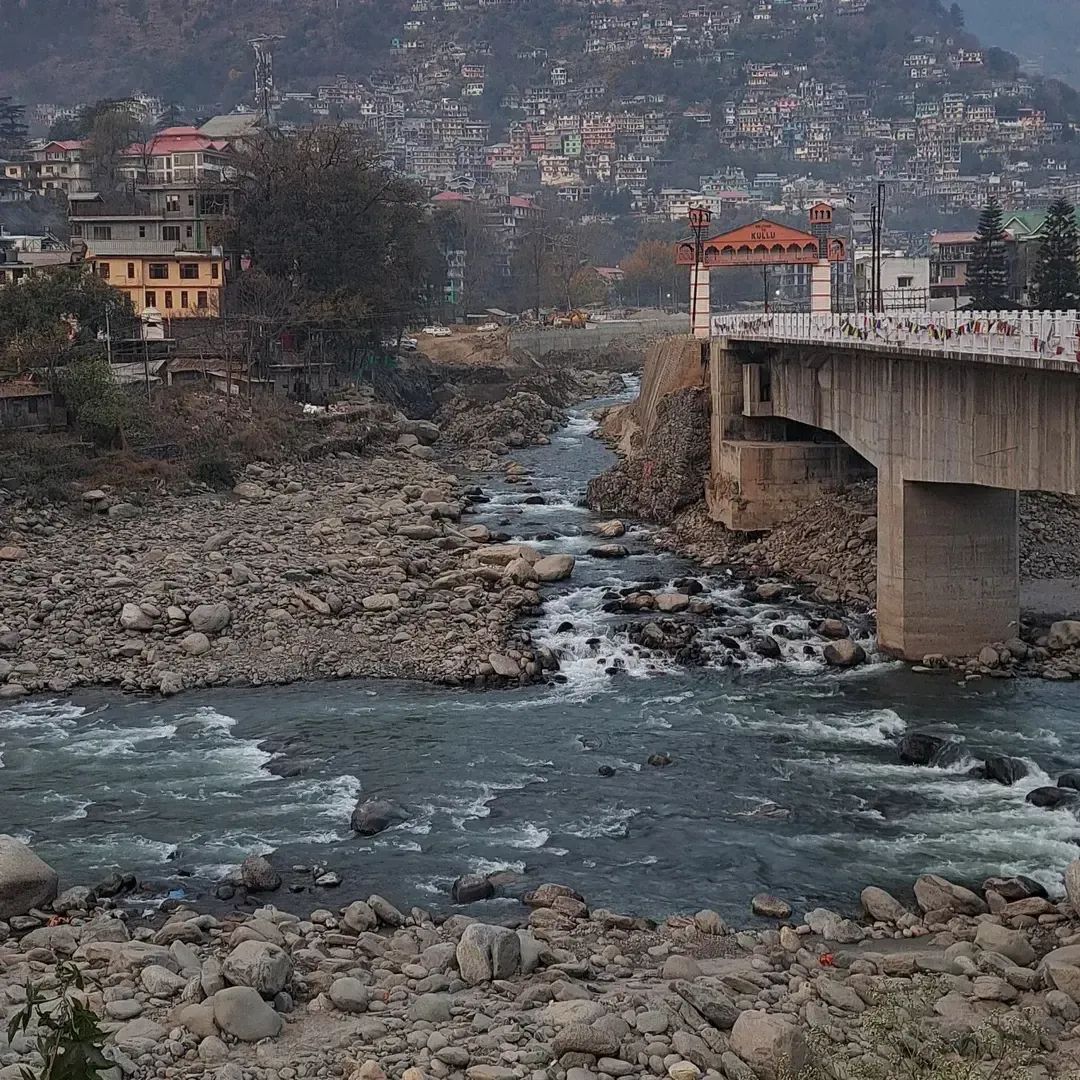
The town everyone drives past on the way to Manali, given two nights. A fourteen-kilometre run down the Beas in a raft, a ridge temple at 2,460m, and the looms the shawls on the Mall Road are actually made on.
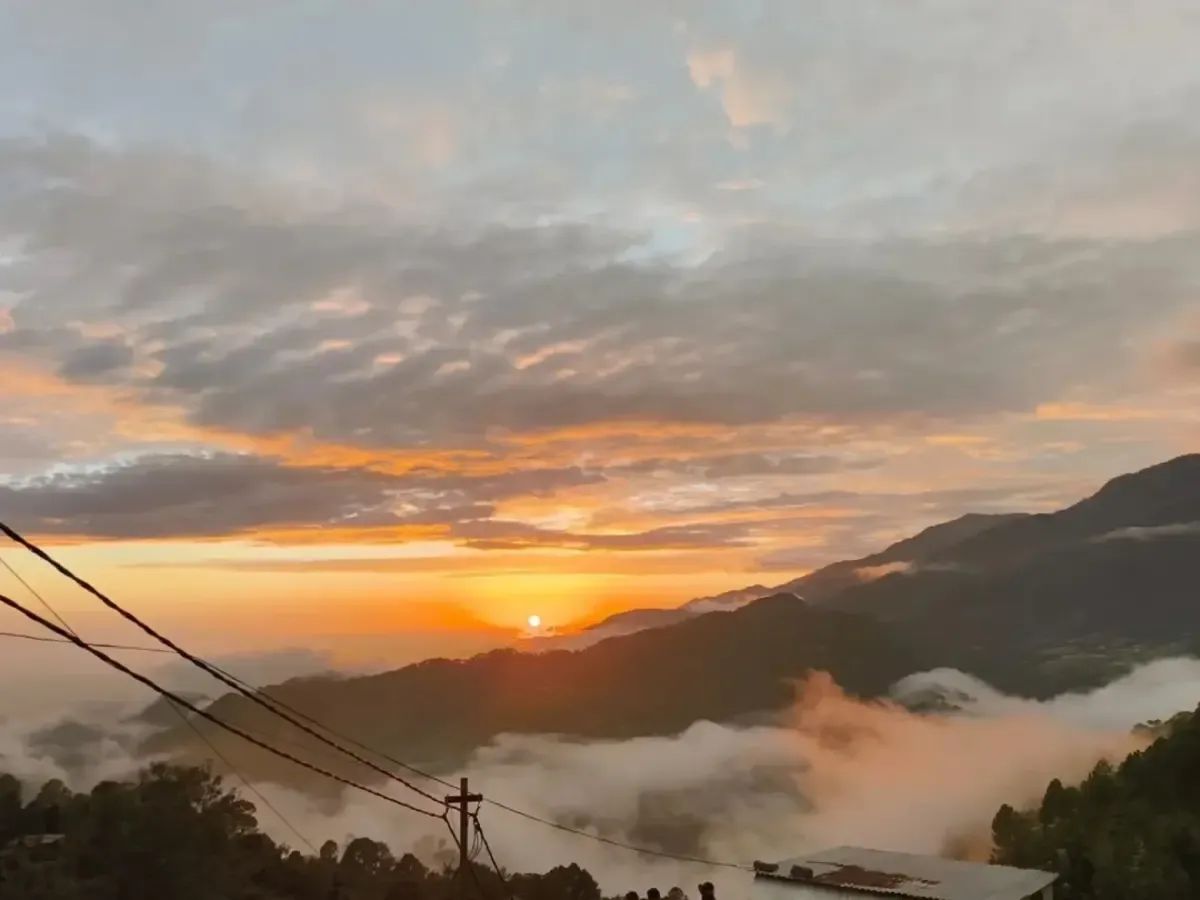
Two hours below Dharamshala the Beas is dammed into a lake the size of a small district, and every winter a couple of hundred thousand birds arrive on it from central Asia. Two days, two dawns, and a pair of binoculars.
Far enough for a second valley without hurrying the first.
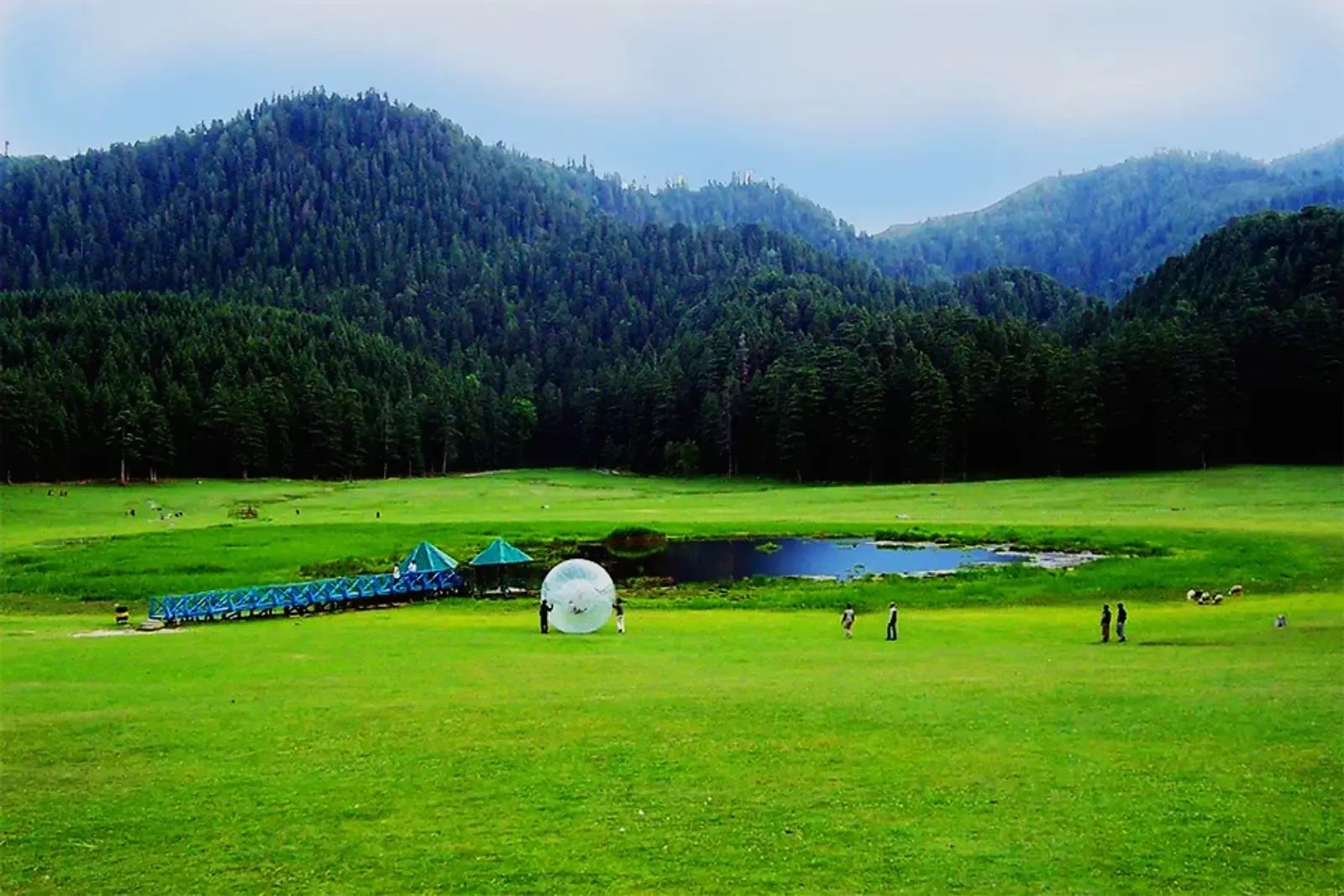
Quiet cedar ridges, the green bowl at Khajjiar and the old temples in Chamba. The easiest trip we do, which is why couples and families with small children usually end up here.
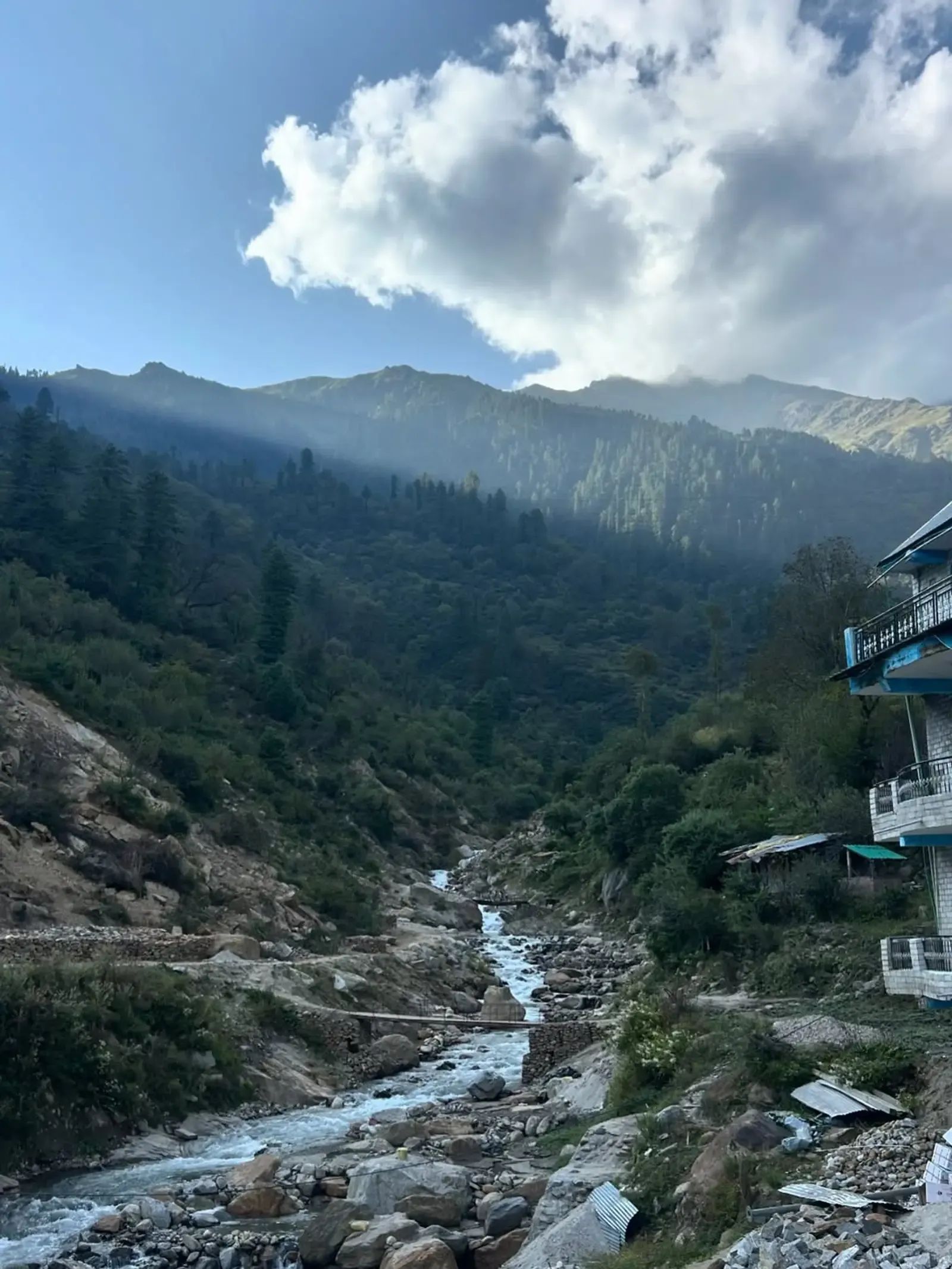
Days by the river, the hot springs at Manikaran and the walk up to Kheerganga. This is the one long-stay travellers and backpackers ask for by name.
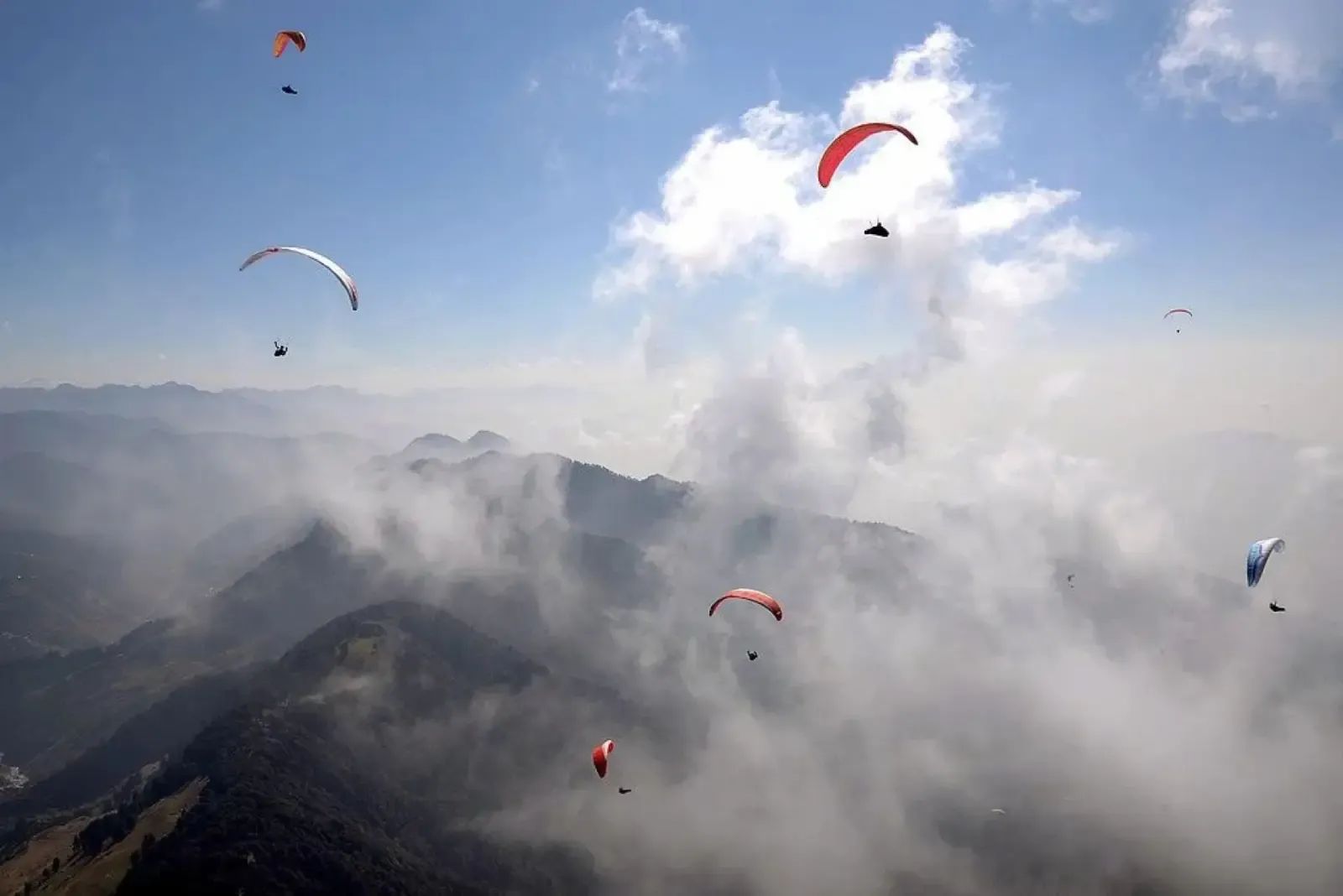
Two nights at Bir so the weather gets a second chance at your flight, then over to Barot — a hydro valley from the 1930s with a trout river in it and almost no traffic.
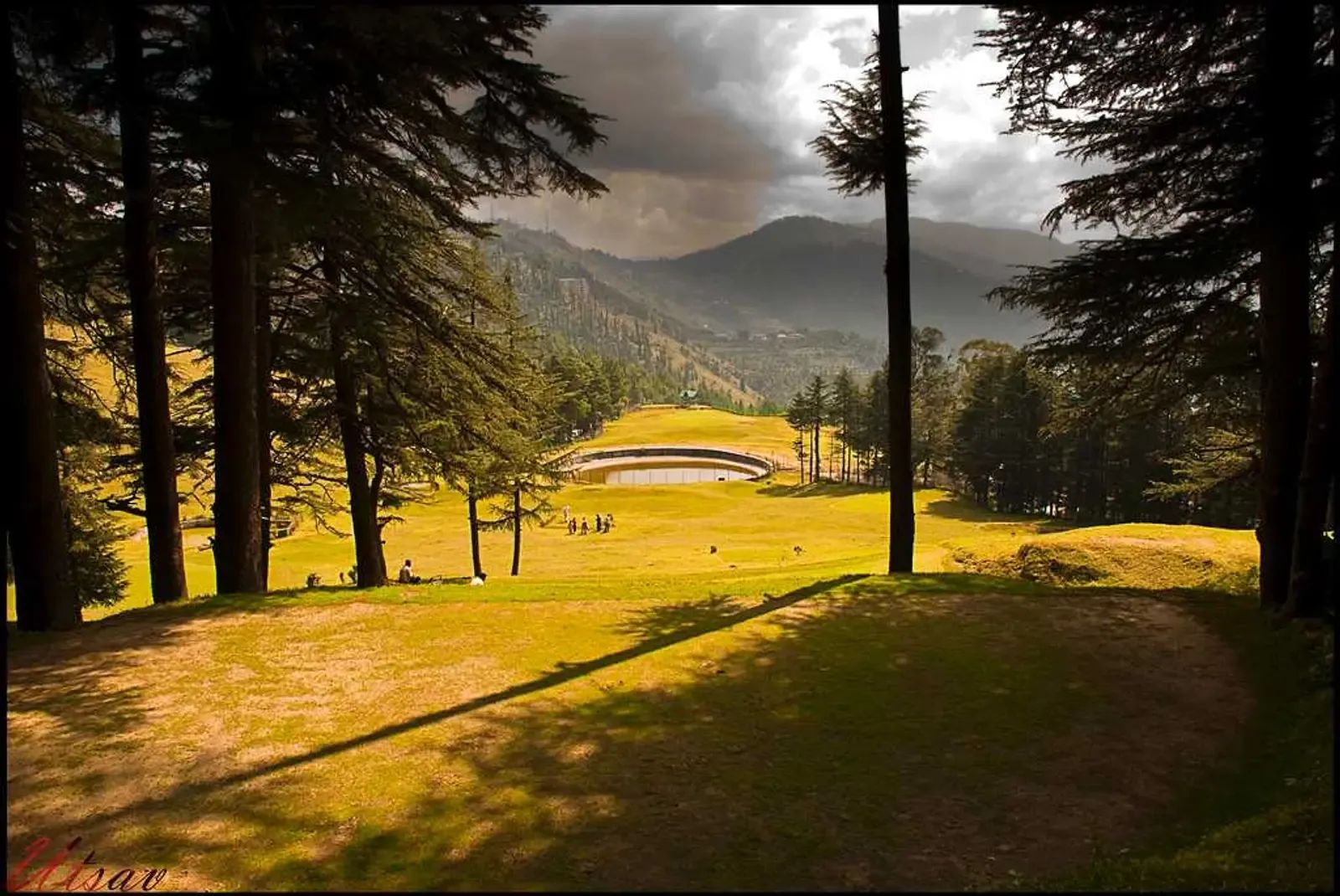
The three hill stations above Chandigarh, taken in the order that keeps the crowds behind you: a cantonment with two roads, a maharaja's forest, and Shimla last rather than first.
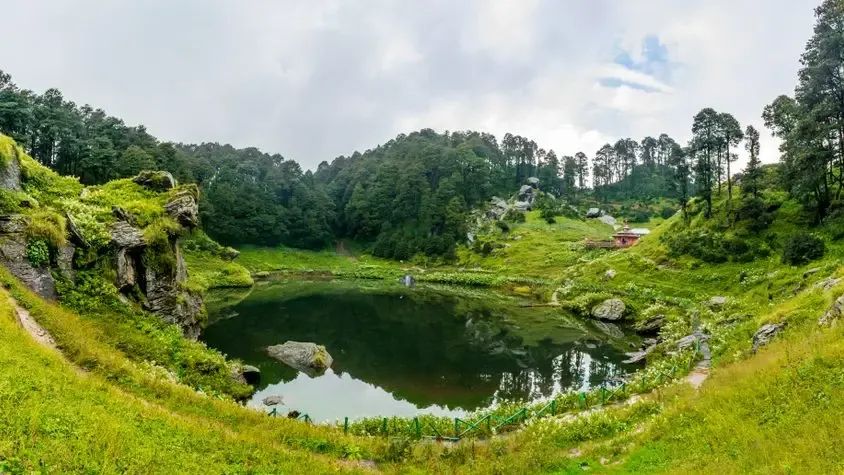
A trout river, a 3,120m pass with a lake an hour's walk from the top, and a valley that decided against becoming Manali. Four days of small roads and wooden villages with nothing much to tick off.
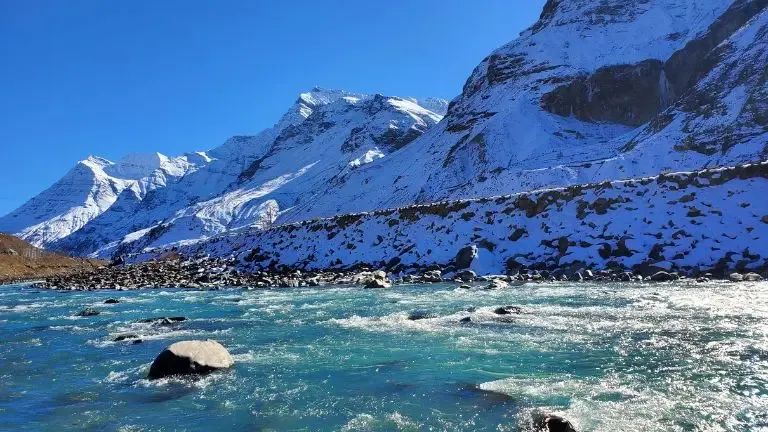
Nine kilometres of tunnel and the trees stop. Five days on the far side of the Pir Panjal — the Chandra and the Bhaga, a temple that both Hindus and Buddhists use, and villages that were cut off for six months a year until 2020.
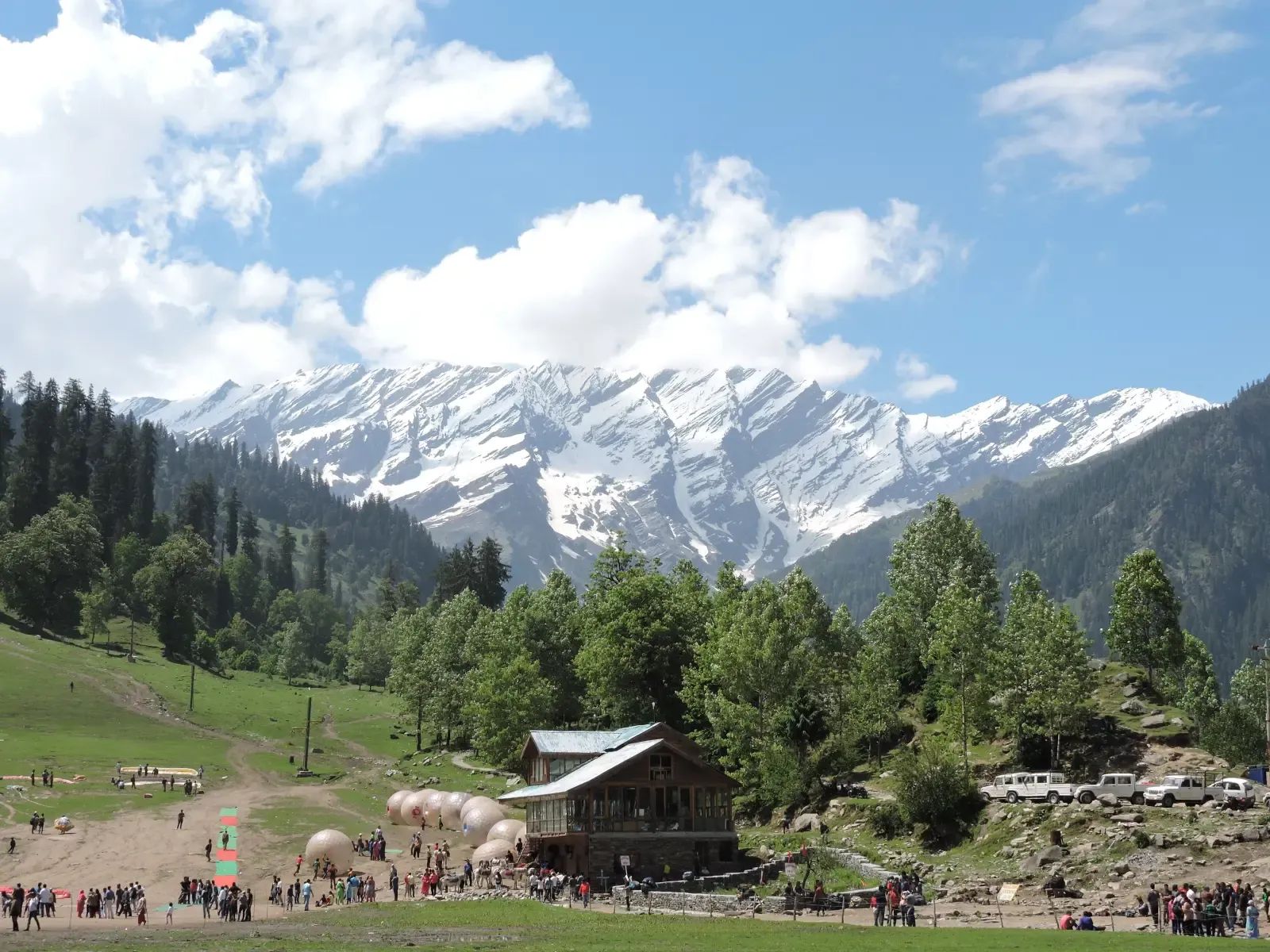
Manali given four days instead of the day and a half a circuit tour can spare it. Old Manali and the hot springs, the meadow at Solang, and the left bank down to Naggar, which was the capital of this valley for fourteen centuries.
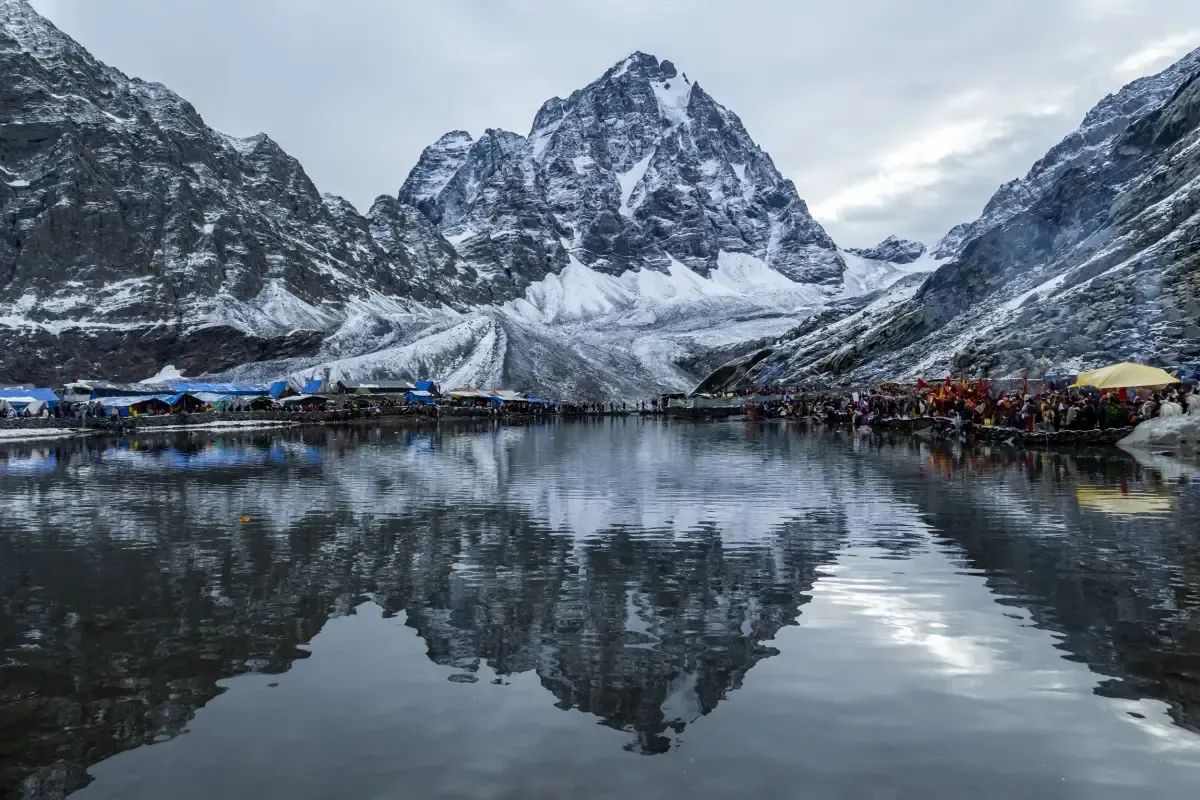
The old Chamba town first, then up the Ravi to Bharmour and the walk from Hadsar to a lake at 4,080m under a peak nobody has climbed. A pilgrimage that is still mostly pilgrims.
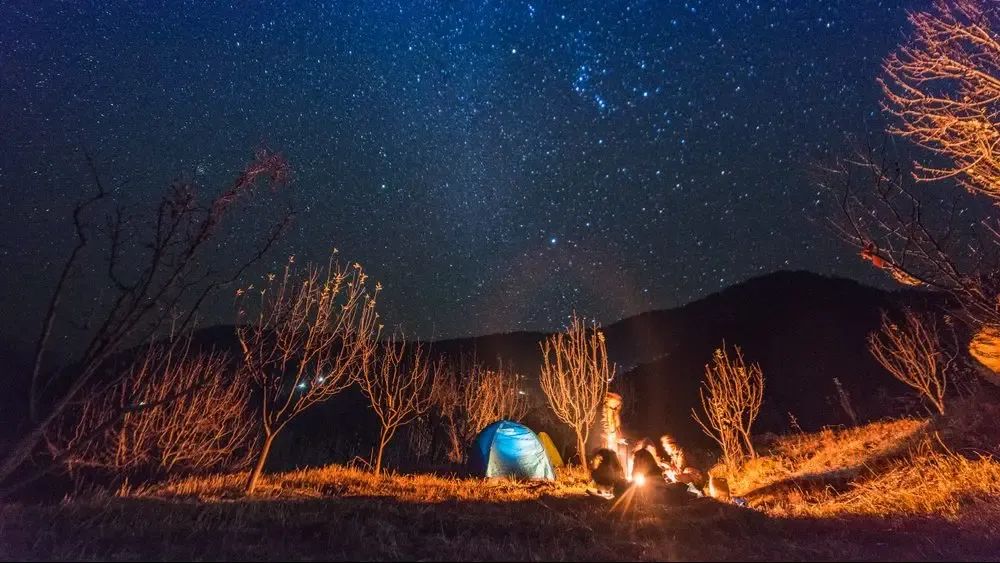
A UNESCO site with no road in it. Three days on foot from the roadhead at Gushaini into a park that has been closed to grazing and collection since it was notified, with a registered guide because you cannot go without one.
The long roads — Kinnaur, Spiti, Leh, and the full loop of the state.
Dharamshala across to Shimla, then up to Manali and back. Old hill stations, deodar forest, the Beas running alongside you and the Dhauladhar at both ends of the trip.
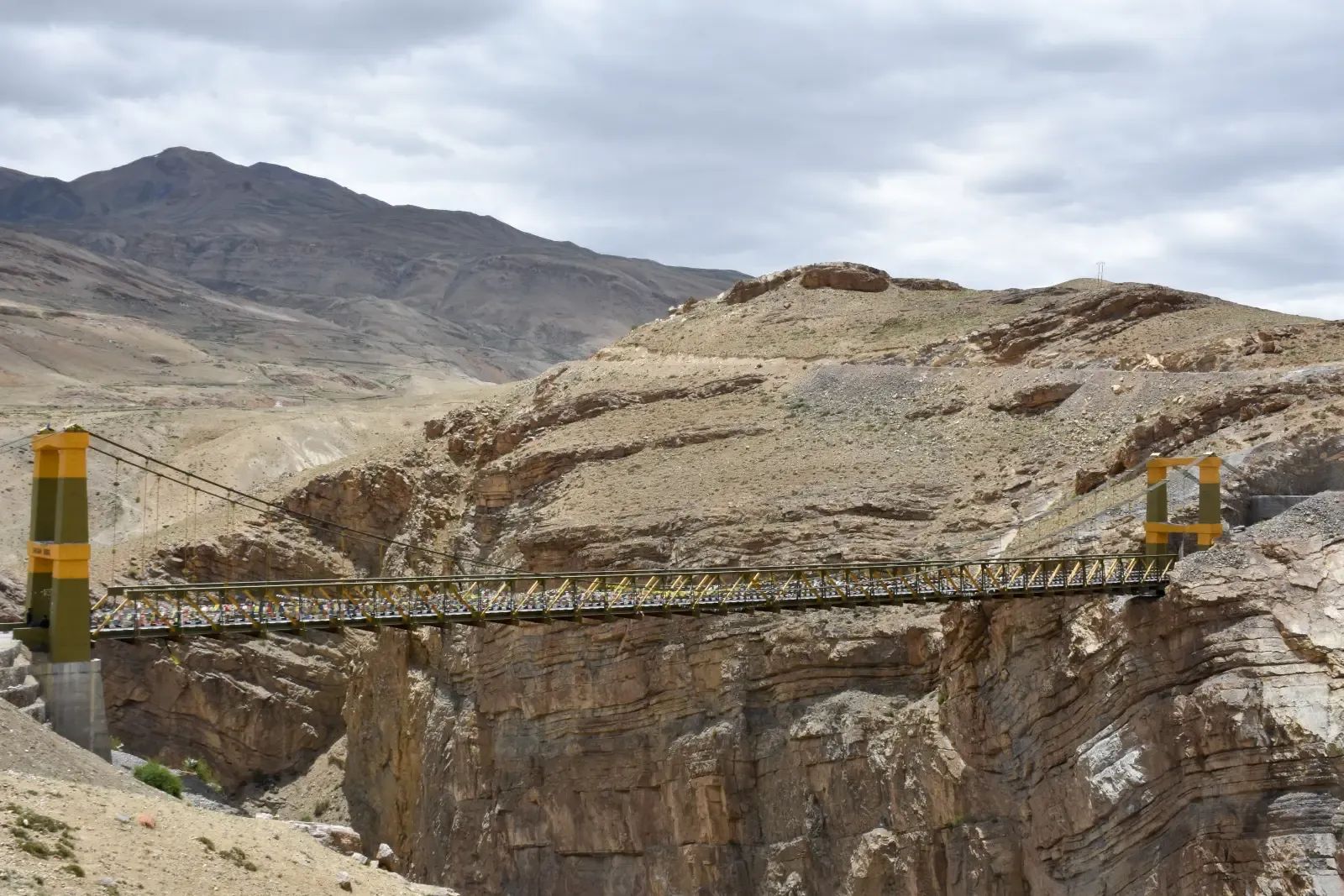
Cold desert, monasteries older than most countries, villages sitting above 4,000m. We drive it slowly and in the right order so the altitude creeps up on you instead of hitting you.
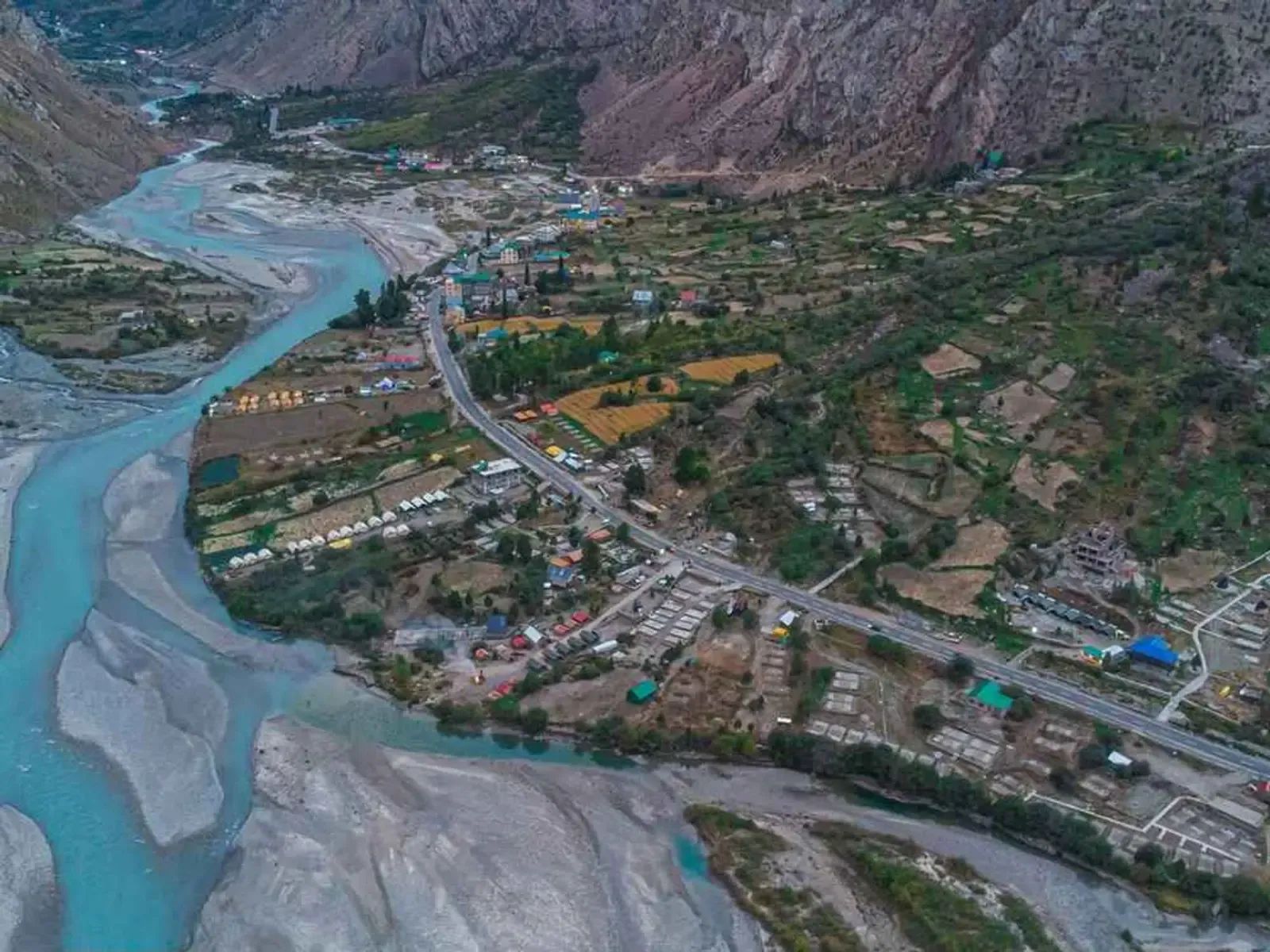
Five passes, a couple of nights under canvas and one of the best drives anywhere. We build in a day to acclimatise and carry oxygen, because at that height it matters.
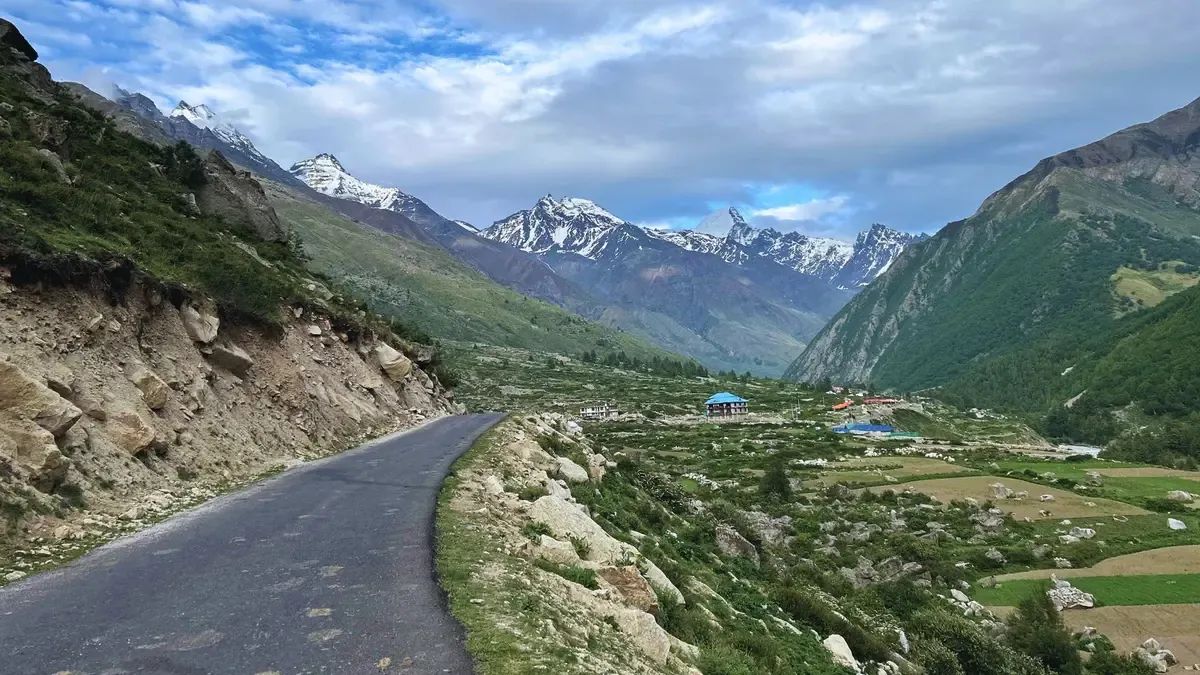
The Sutlej gorge as far as the Baspa, then a week in two valleys that most people only see through a car window on the way to Spiti. Apple country, Chitkul at the end of the road, and Kinner Kailash out of the bedroom window.
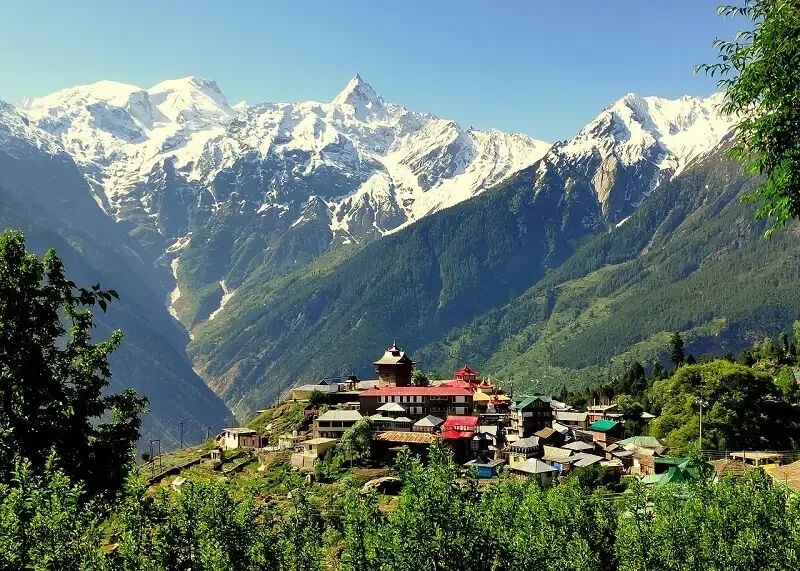
The one trip that joins the two halves of the state — Kangra and Shimla, then up the Sutlej into Kinnaur, across Spiti and out over Kunzum into Lahaul. Fourteen days, one car, and the only sane way to acclimatise for it.
Tell us roughly when you are coming and how many of you there are. We will write the days out properly and give you one price, usually the same day.