
Manali to Leh
Five passes, a couple of nights under canvas and one of the best drives anywhere. We build in a day to acclimatise and carry oxygen, because at that height it matters.
- Jispa
- Sarchu
- Leh
Good for — Anyone who came for the road rather than the destination
Read the full descriptionClose the description
The highway runs 480km and crosses five passes, two of them above 5,000m. It is one of the great drives and it is also genuinely demanding — you spend three nights above 3,200m and one of them in a tent at 4,290m.
Six days rather than four, because the extra day at Jispa is the difference between remembering the Gata Loops and remembering a headache. That day is the whole reason this itinerary is shaped the way it is.
The five passes
Worth seeing written down before you commit to the road, because the numbers are the trip.
| Pass | Altitude |
|---|---|
| Rohtang La | 3,978 m |
| Baralacha La | ~4,890 m |
| Lachulung La | ~5,059 m |
| Tanglang La | 5,328 m |
The fifth is Nakee La, between Sarchu and Pang, at the top of the Gata Loops. Published figures for it vary by nearly two hundred metres and we have not been able to settle which is right, so we would rather not put a number on it than put the wrong one — it sits below 5,000m on every reading.
Rohtang is now usually bypassed through the Atal Tunnel, which removes an hour and a half and the least interesting climb of the five. The others are the road. Tanglang La is the high point of the whole journey and comes on the last day, by which time you have been acclimatising for the better part of a week — which is the correct order and not an accident.
Where the road is actually hard
Not everywhere, and not where people expect. The run up to Jispa is ordinary mountain road. It gets serious in two places.
Jispa to Sarchu, over Baralacha La. Eighty kilometres and three to four hours. Stream crossings fed by glacier melt, gravel, and loose surface on the approach to the pass. In early season this is the stretch that decides whether the highway is genuinely open or merely officially open.
Sarchu to Pang, over Lachulung La. Ninety kilometres and the toughest part of the highway — unpaved patches across the high plains that the Border Roads Organisation repairs continuously and which the weather undoes just as steadily. The Gata Loops, twenty-one hairpins stacked up a hillside, are on this section.
From Pang to Leh the road is mostly good tarmac now, including over Tanglang La itself, and the descent into the Indus valley is straightforward.
Sarchu, and the night that matters
Sarchu is a tented camp at around 4,290m and it is the single hardest night of the trip. There is no village, no hospital and no mobile signal, and 4,290m is high enough that a proportion of people sleep badly there whatever they have done to prepare.
This is precisely what the rest day at Jispa buys. Arriving at Sarchu after two nights at 3,200m is a different experience from arriving there on your second day out of Manali, and the people who struggle on this route are almost always the ones who compressed it.
If someone is genuinely unwell at Sarchu, the answer is the same as it is everywhere else on this road: lose height, immediately. We would rather drive back down towards Jispa at ten at night than find out how it develops.
Season
Roughly mid-May to mid-October, and both ends move with the snow. The Border Roads Organisation clears from both directions and announces a connection date — in 2026 that was 12 May — but a connected road is not the same as a comfortable one, and the passes above 5,000m usually settle down a couple of weeks later. Late June to early September is the reliable middle of the window.
We do not book this route at the edges of the season without telling you plainly that it may not run, and we would rather move you to the Spiti circuit than gamble a week on Baralacha.
Day by day
How the 6 days run
- Day 15–6 hrs
Manali to Jispa
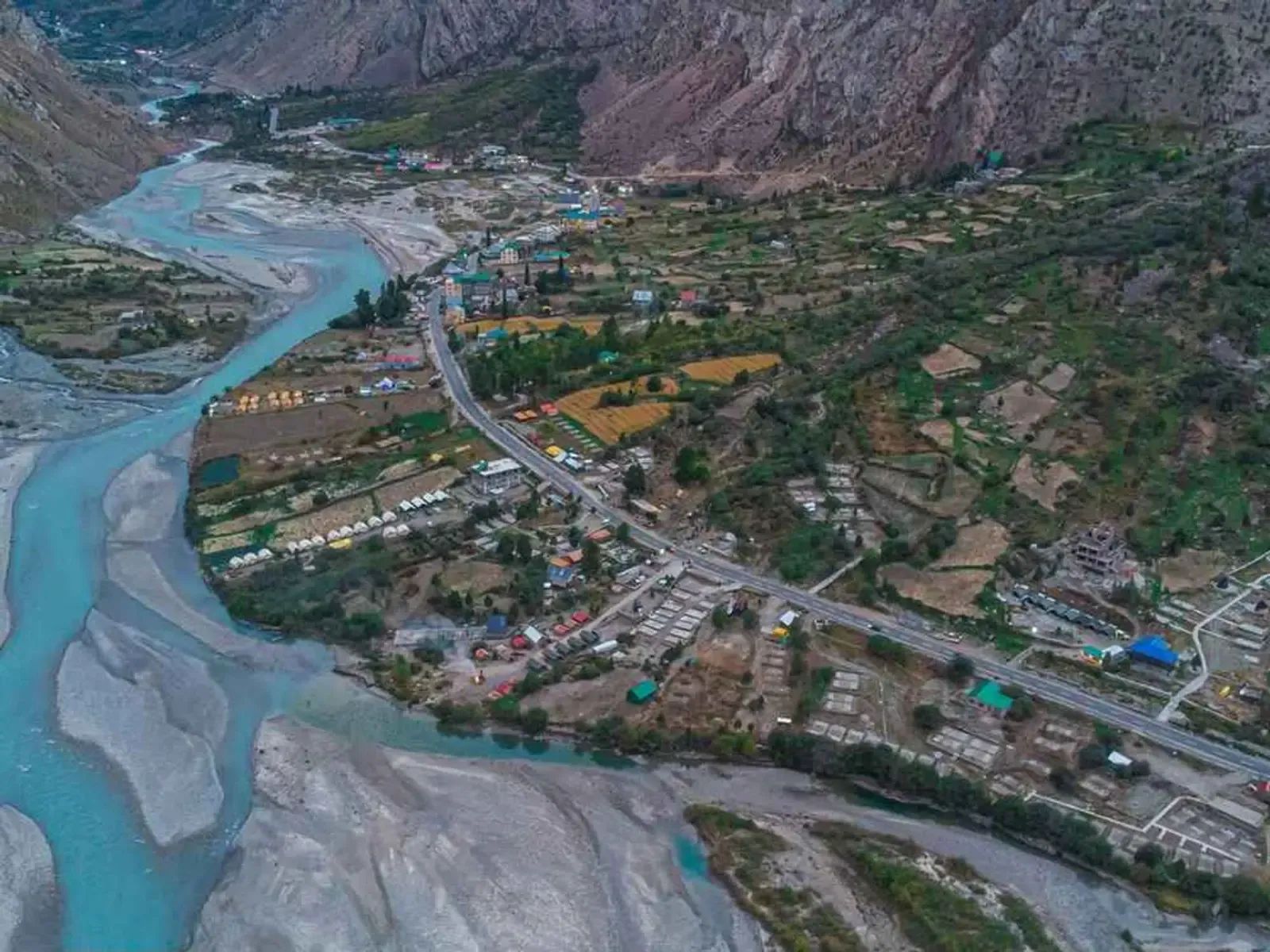
Through the Atal Tunnel into Lahaul and up the Bhaga valley. Jispa is at 3,200m and the point of stopping here rather than pushing on is that you sleep low enough to be comfortable while your body starts adjusting. Keshang and the Kardang monastery on the way if you want them.
- Day 2
A day at Jispa
Nothing scheduled. Walk along the river, go up to Deepak Tal, sit still. Losing a day here is what keeps the next three from being miserable, and it is the part of the itinerary people most often ask to cut. We would rather you did not.
Show all 6 daysShow fewer days
- Day 35 hrs
Jispa to Sarchu
Baralacha La at 4,890m, and then the plateau. Sarchu is at 4,290m and you sleep in a tent. This is the hardest night of the trip — cold, thin, and most people do not sleep well. Eat something even if you do not want to.
- Day 48–9 hrs
Sarchu to Leh
The long one, and the best. The Gata Loops — twenty-one hairpins stacked up a hillside — then Nakee La, Lachulung La, the Moore plains, and Taglang La at 5,328m, which is the high point of the trip. Down the Indus into Leh by evening.
- Day 5
Leh
A rest day and it is not optional; you have gone from 3,200m to 3,500m by way of 5,328m in three days. Leh palace, the Shanti stupa, Thiksey monastery in the morning if you are up to it. If you are not, stay where you are.
- Day 6
Onward
Fly out of Leh, or stay on and we hand you over to a Ladakh driver for Nubra and Pangong. If you want the full Ladakh loop tell us at the start so we build the permits for it at the same time.
The price
What is in it, and what is not
Included
- Private car and driver, fuel, tolls and parking
- Inner Line Permits where they are required
- Hotels in Manali, Jispa and Leh, tented camp at Sarchu
- Oxygen cylinder carried throughout
- Breakfast throughout
Not included
- Flights, including the flight out of Leh
- Lunches and dinners
- Anything in Ladakh beyond Leh — priced separately
- Travel insurance, which you should have for this
We do not publish a rate card. The number depends on the season, how many of you there are and the sort of hotels you want, so we price each trip on its own — and whatever we quote is what you pay.
Questions
What people ask about this one
Can it be done in four days?
It can be driven in two. Whether you enjoy any of it is another matter. Cutting the Jispa day is what turns this from a great drive into three days of altitude sickness, and we will push back if you ask for it.
When is the road open?
Usually late May or June until some point in September, occasionally into October. The Border Roads Organisation clears it and the dates move every year. Do not book non-refundable flights around the edges of the season.
What if someone gets ill up there?
We carry oxygen and the driver knows the road. The treatment for altitude sickness is losing height, so that is what we do — there are no prizes for carrying on. Sarchu and the passes have no hospital, and Leh is the nearest real one.
Is there phone signal?
Almost none between Keylong and Leh, and only Indian postpaid numbers work in Ladakh at all. Tell people at home they will not hear from you for two or three days.
The road north, photographed
8 photographs.


Show all 8 photographsShow fewer photographs


Keep reading