Sunny Himachal Travels

Destinations

Which part of Himachal is right for you?

The state is bigger and slower than the map makes it look. Two towns that sit close together can be six hours apart, and the difference between the Kangra valley and Spiti is more like the difference between two countries. Here is what each area is actually like.

Dharamshala and Kangra

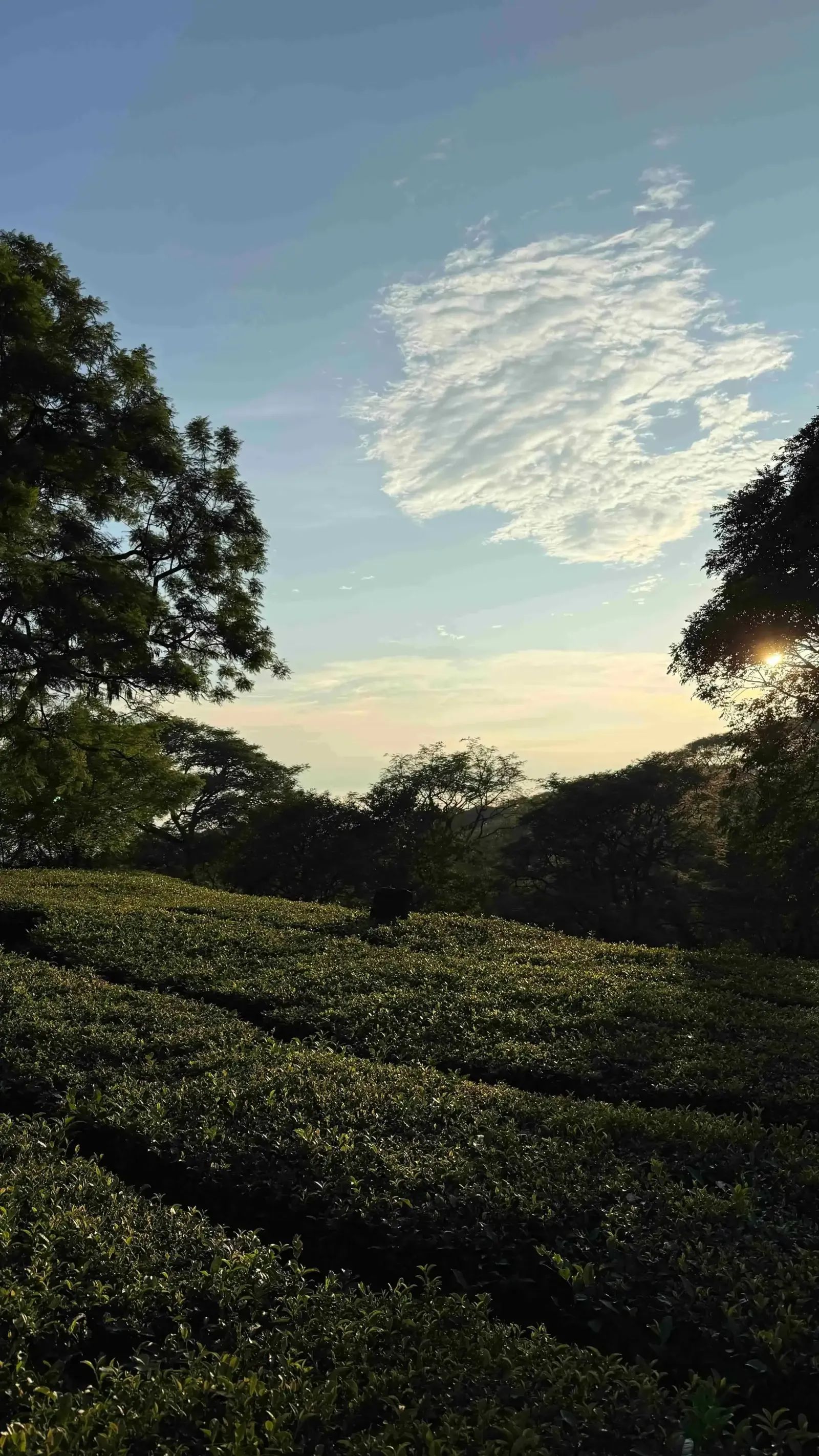
Tea rows running away down a slope at dusk with trees along the far edge.

Dharamshala and Kangra

Tibetan Dharamshala, tea gardens down at Palampur, the little train through Kangra, and the Dhauladhar standing right over you. The best base for a first trip, or if you would rather stay in one place than five.

Suits — first trips, long stays, walkers

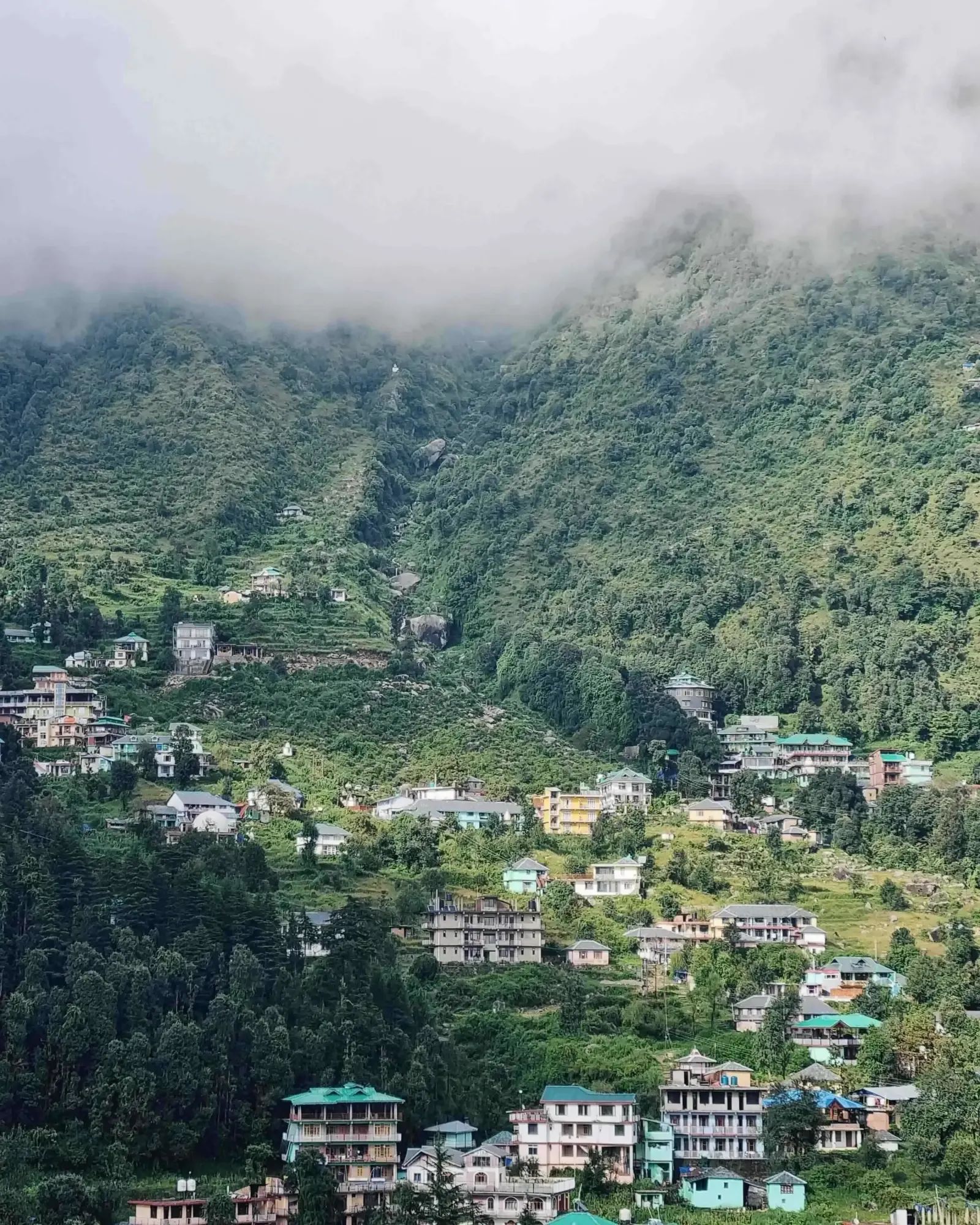
Houses packed onto a steep forested hillside with mist coming down over the ridge above them.

McLeod Ganj and Dharamkot

The seat of the Tibetan government in exile, and the village twenty minutes above it that fills up every spring with people doing ten-day silent courses. Two very different places sharing one hillside.

Suits — long stays, Tibetan Buddhism, cafés, meditation courses

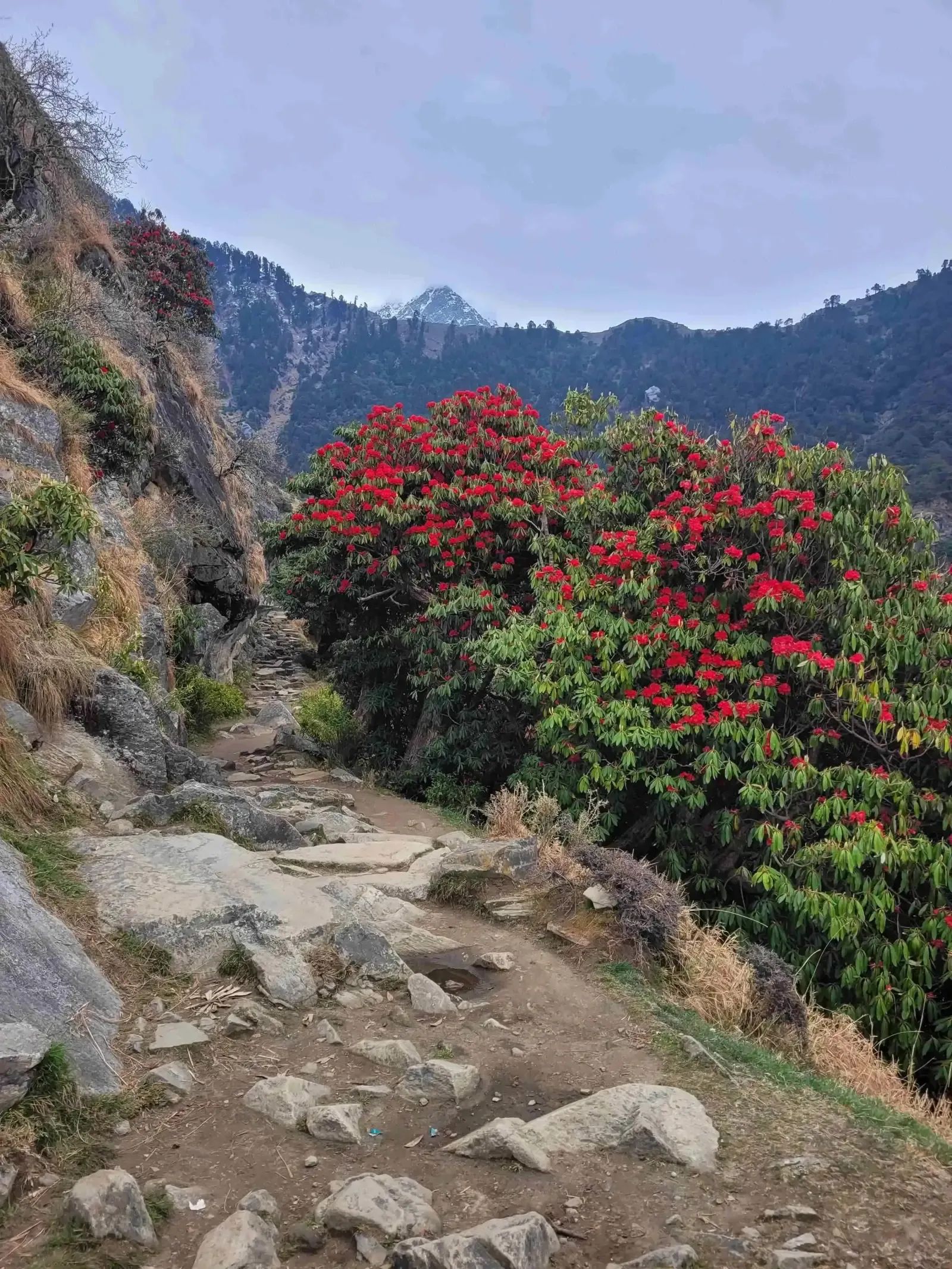
Red rhododendron in flower beside a rocky path climbing a ridge, hills receding into haze behind.

Triund

A grass ridge at 2,828m with the Dhauladhar standing directly behind it and the Kangra valley three thousand metres below. Nine kilometres up from Dharamkot, and the most-walked path in the district.

Suits — first treks, one-night walks, photographers

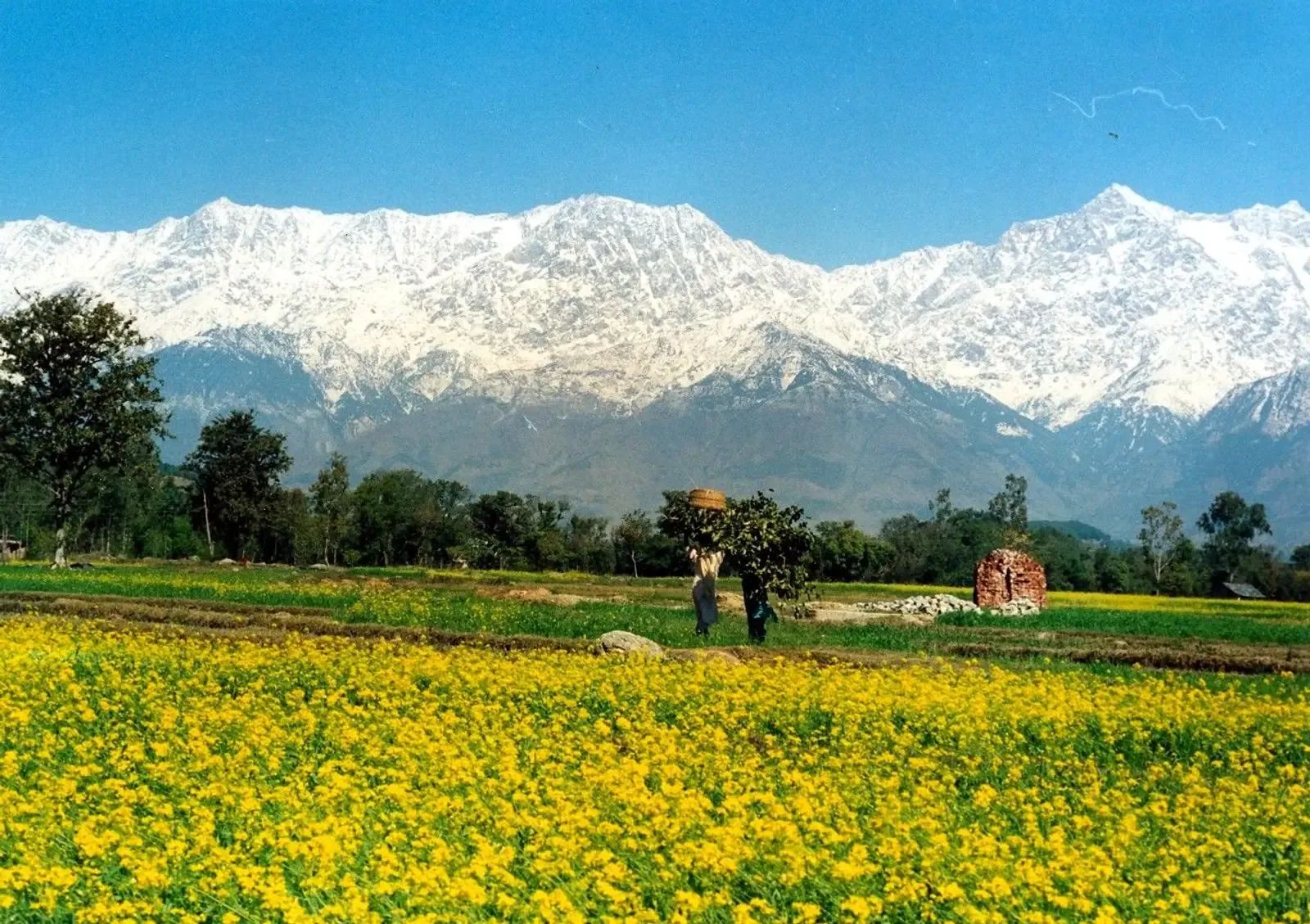
A field of yellow mustard in flower with the snow wall of the Dhauladhar rising straight up behind it.

Kangra valley

The wide farmed valley under the Dhauladhar, and the older half of this district. A fort the Katochs held for centuries, rock-cut temples from the eighth century, and the school of painting the valley gave its name to.

Suits — history, temples, architecture, slow driving

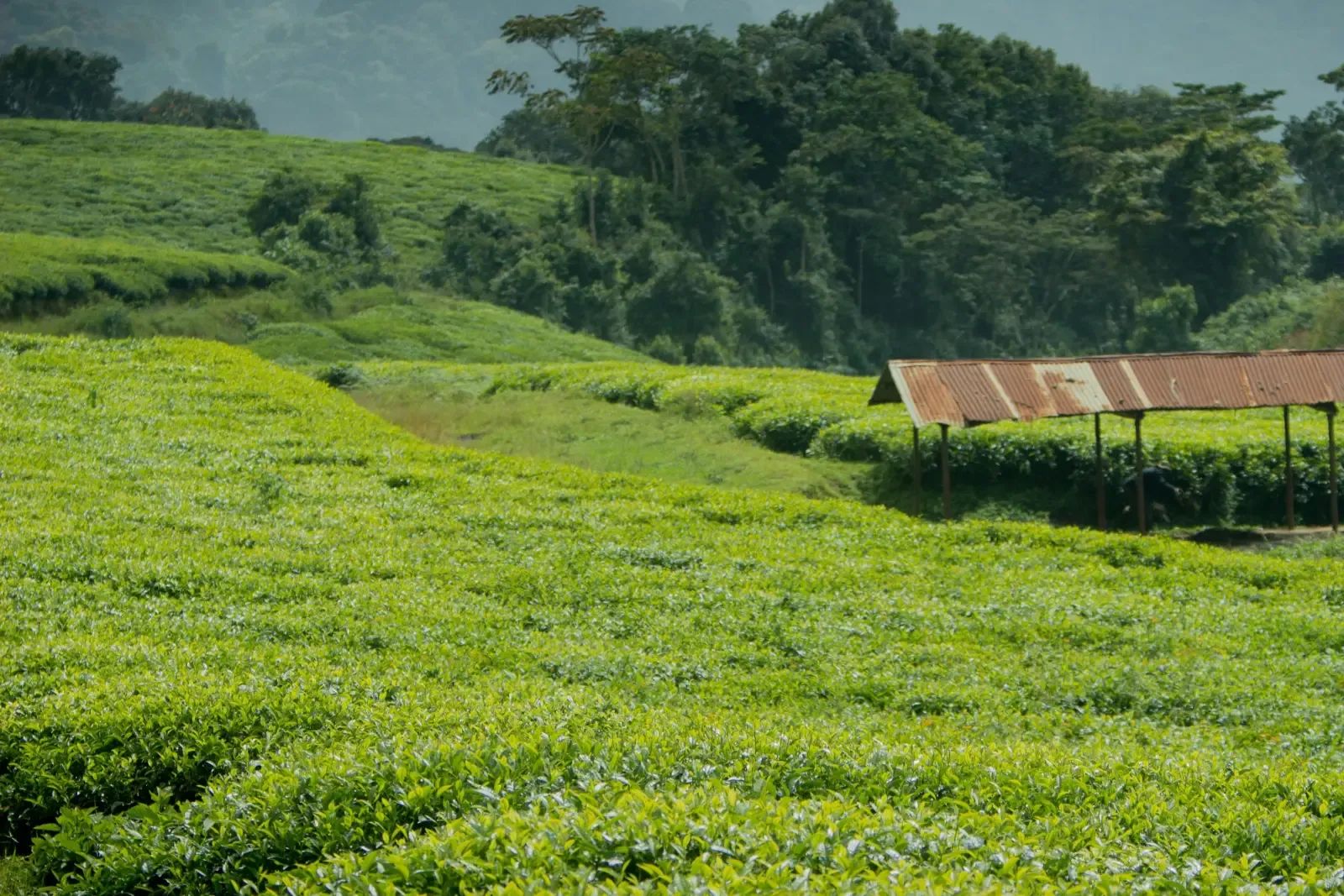
Rows of clipped tea bushes running over a rise towards a low working shed and a line of trees.

Palampur and Andretta

Tea gardens running right up to the foot of the Dhauladhar, and eight kilometres away a village that has been an artists' colony since an Irish playwright moved there in the 1930s.

Suits — tea, pottery, painting, quiet bases near Dharamshala

Spiti and Kinnaur

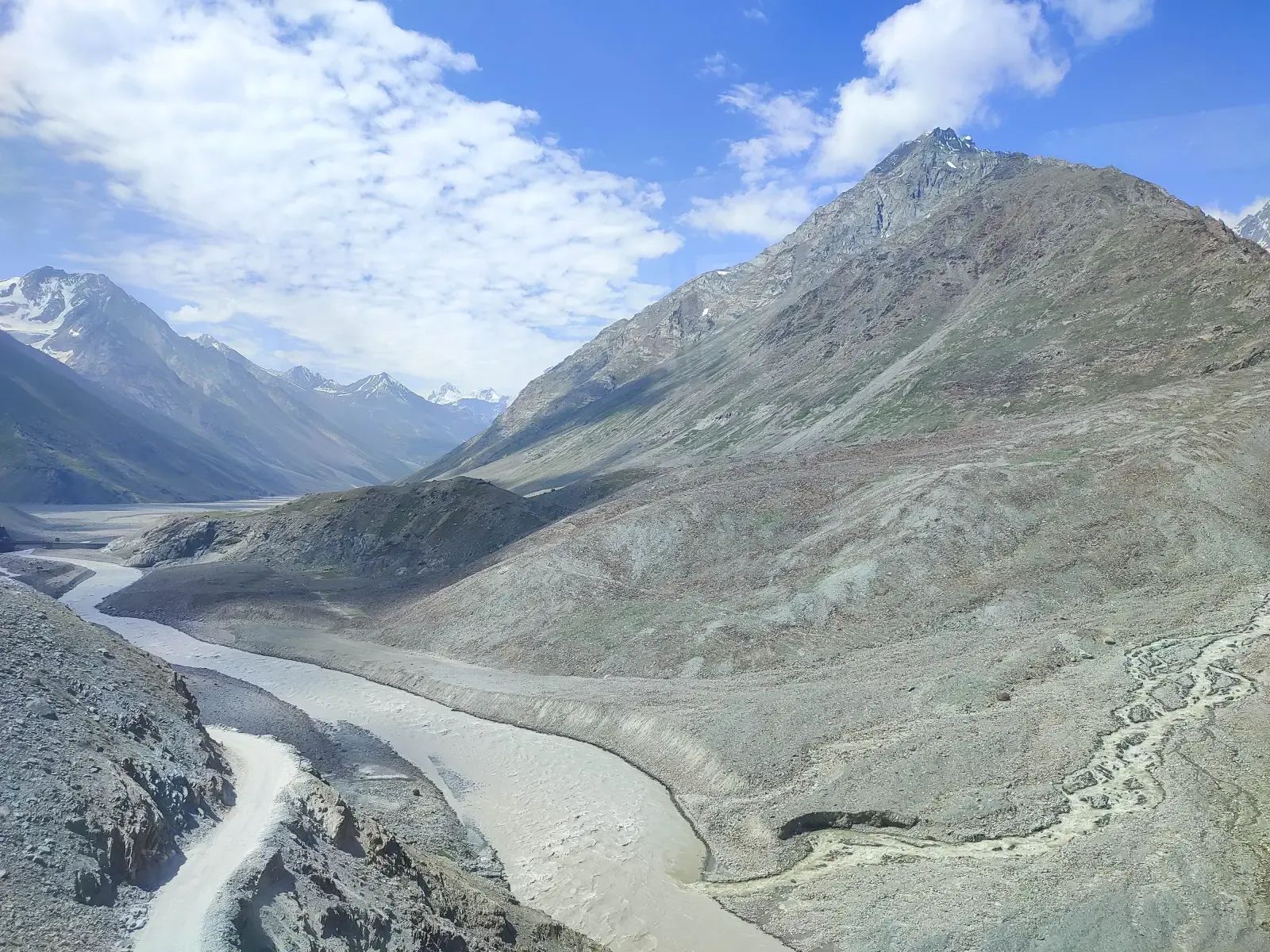
A wide grey valley of scree and old snow opening out under a hard blue sky.

Spiti and Kinnaur

The Himalaya stripped back to rock and sky. Monasteries on cliff edges, no trees, thin air. Remarkable, and not something to rush — eight days at least, and only between June and October.

Suits — photographers, second visits, road trips

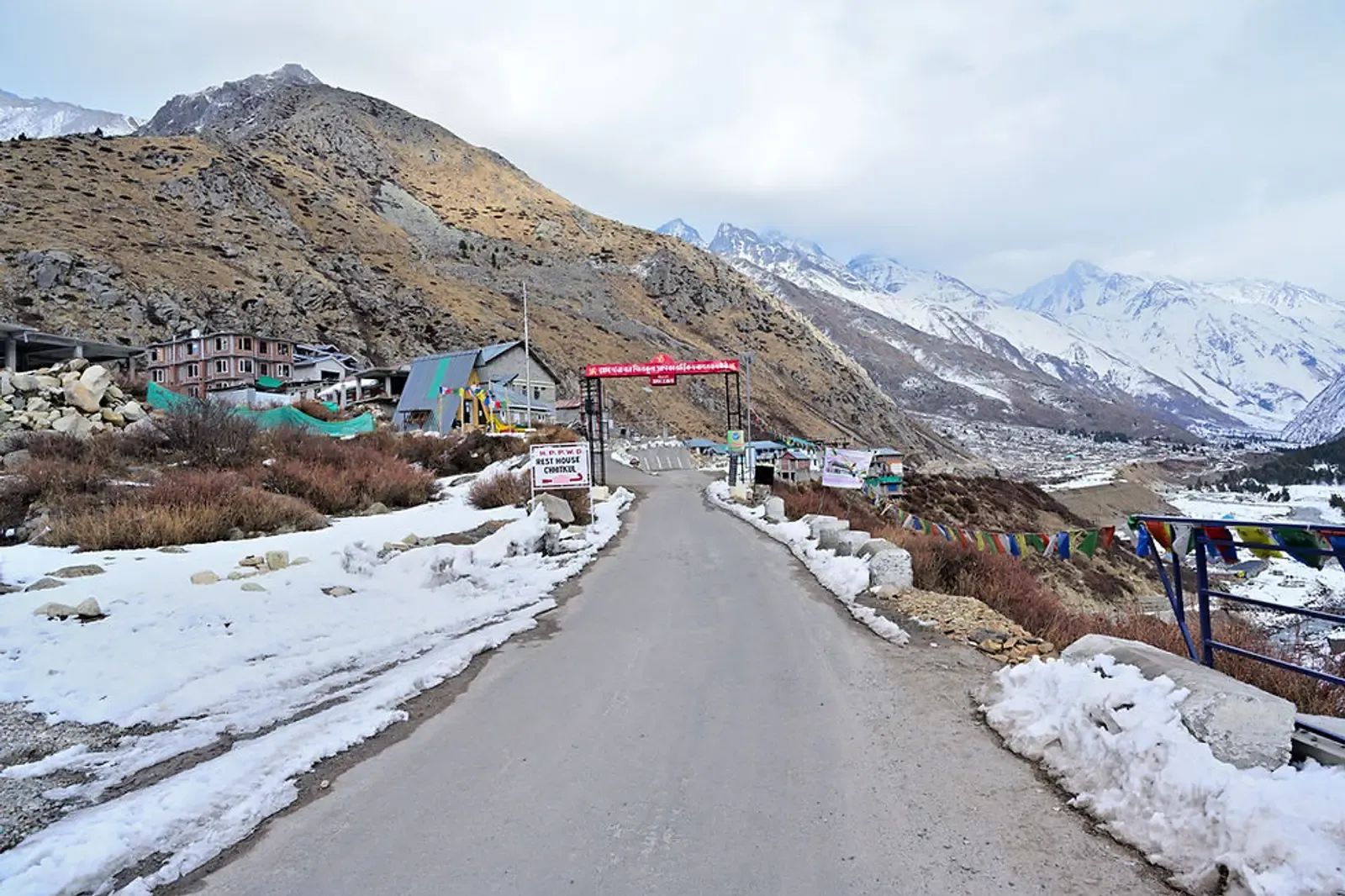
A cleared road between banks of old snow running towards a painted gateway with grey peaks standing behind it.

Sangla and Chitkul

The Baspa valley, off the Sutlej at Karcham, ending at the last inhabited village on the old road to Tibet. Apple orchards, timber-and-stone houses, and a river the colour of glass.

Suits — Spiti trips broken sensibly, orchards, first high-altitude nights

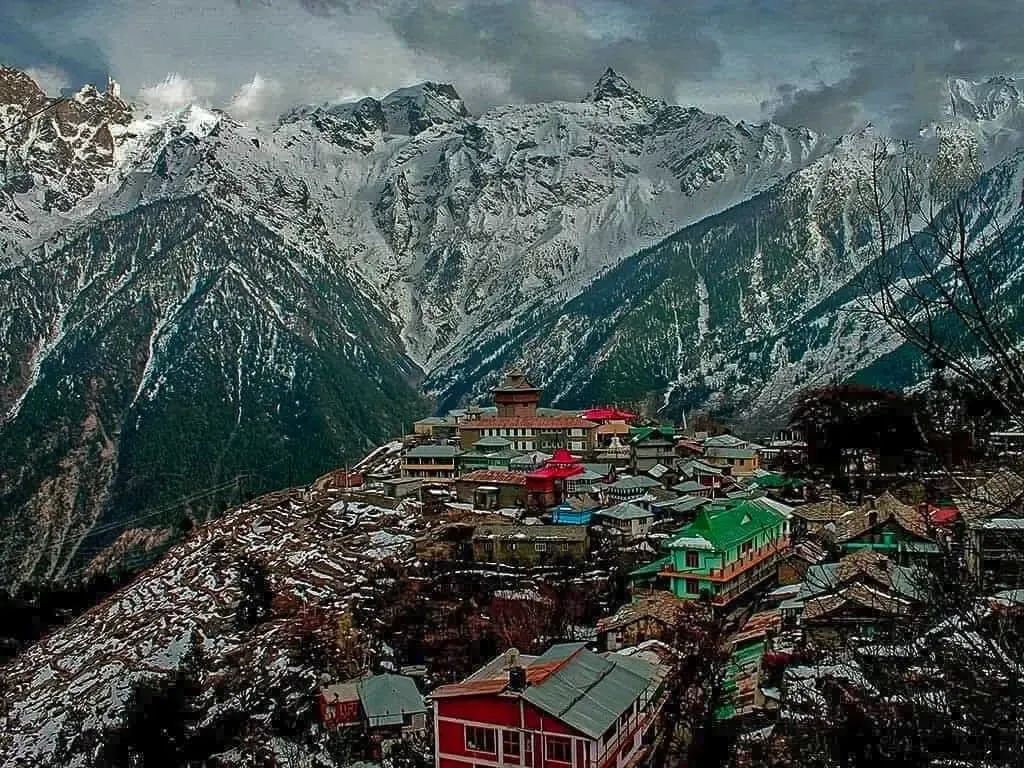
A village of tin roofs and a slate-roofed temple stacked on a wooded spur, a wall of snow peaks filling the sky behind it.

Kalpa and Reckong Peo

The last comfortable night before Spiti, on a shelf of apple orchards facing the Kinner Kailash range across the Sutlej. Reckong Peo below it does the paperwork; Kalpa above it does the view.

Suits — breaking the climb to Spiti, apple season, second nights at altitude

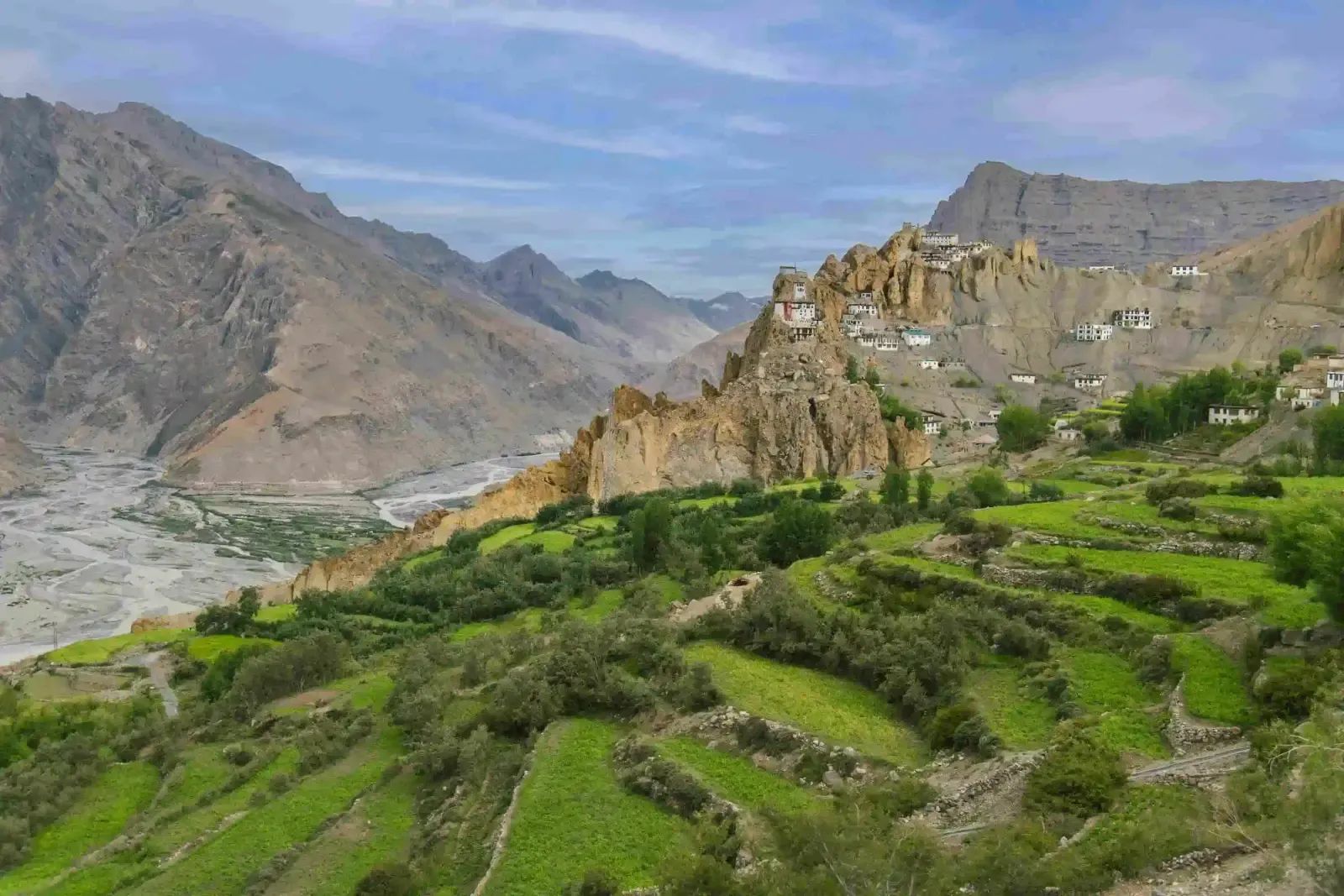
Dhankar’s buildings perched along a crumbling rock spur, green barley terraces below and the braided river flats beyond.

Tabo and Dhankar

A thousand-year-old mud-brick monastery on the valley floor and a crumbling fortress gompa on a spur above it. The two oldest things in Spiti, forty minutes apart, and the reason to give the lower valley a night of its own.

Suits — anyone interested in what is inside the buildings, slow travellers, photographers

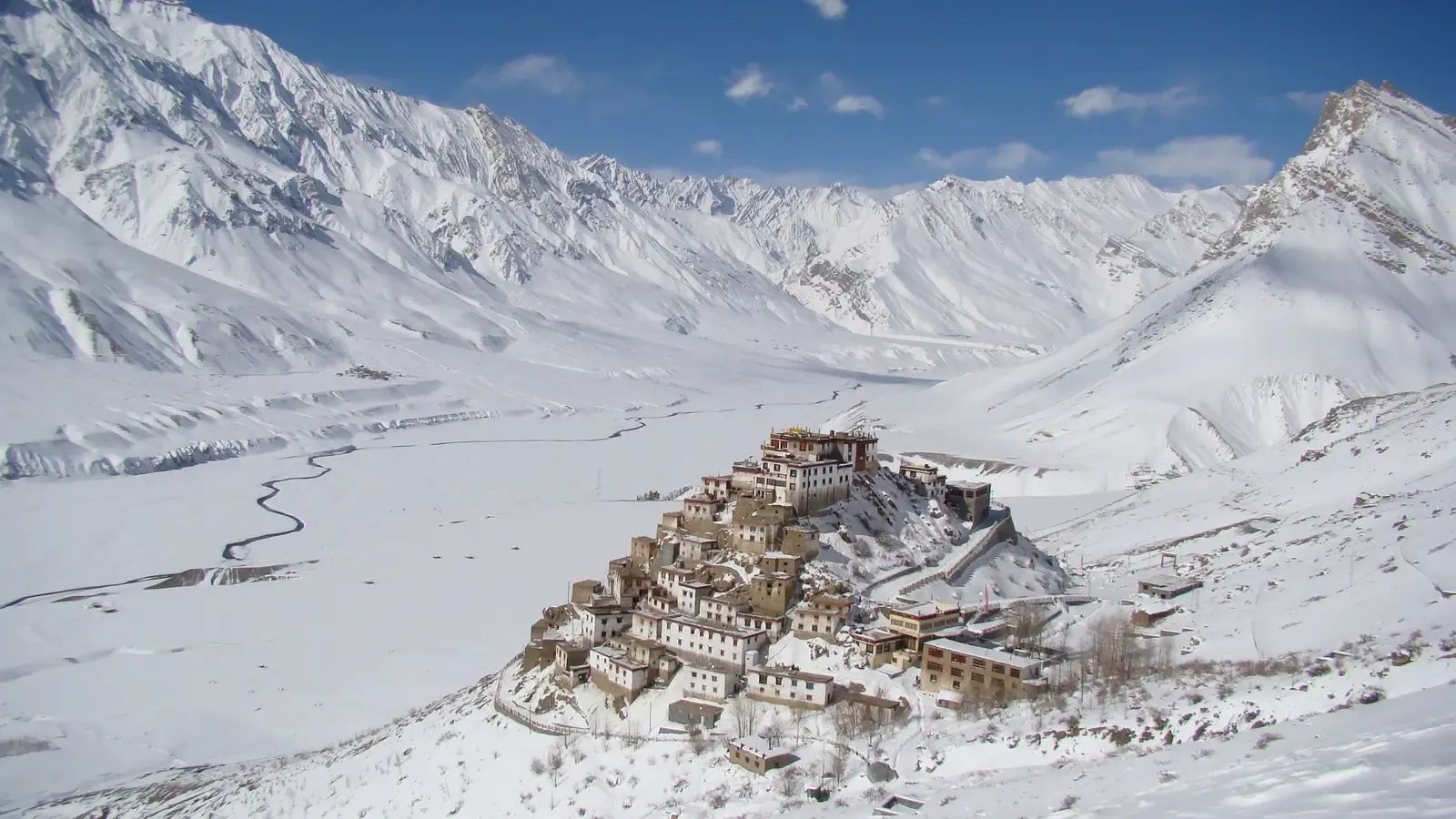
Key monastery stacked up its own hill in deep winter snow, the frozen river winding away down a white valley behind it.

Kaza and the Spiti monasteries

The town everything in Spiti is arranged around, and the ring of villages above it — Key stacked up its hill, Kibber on the plateau, and three of the highest inhabited places in the country within an hour's drive.

Suits — second half of a Spiti trip, photographers, anyone who wants a base rather than a stop

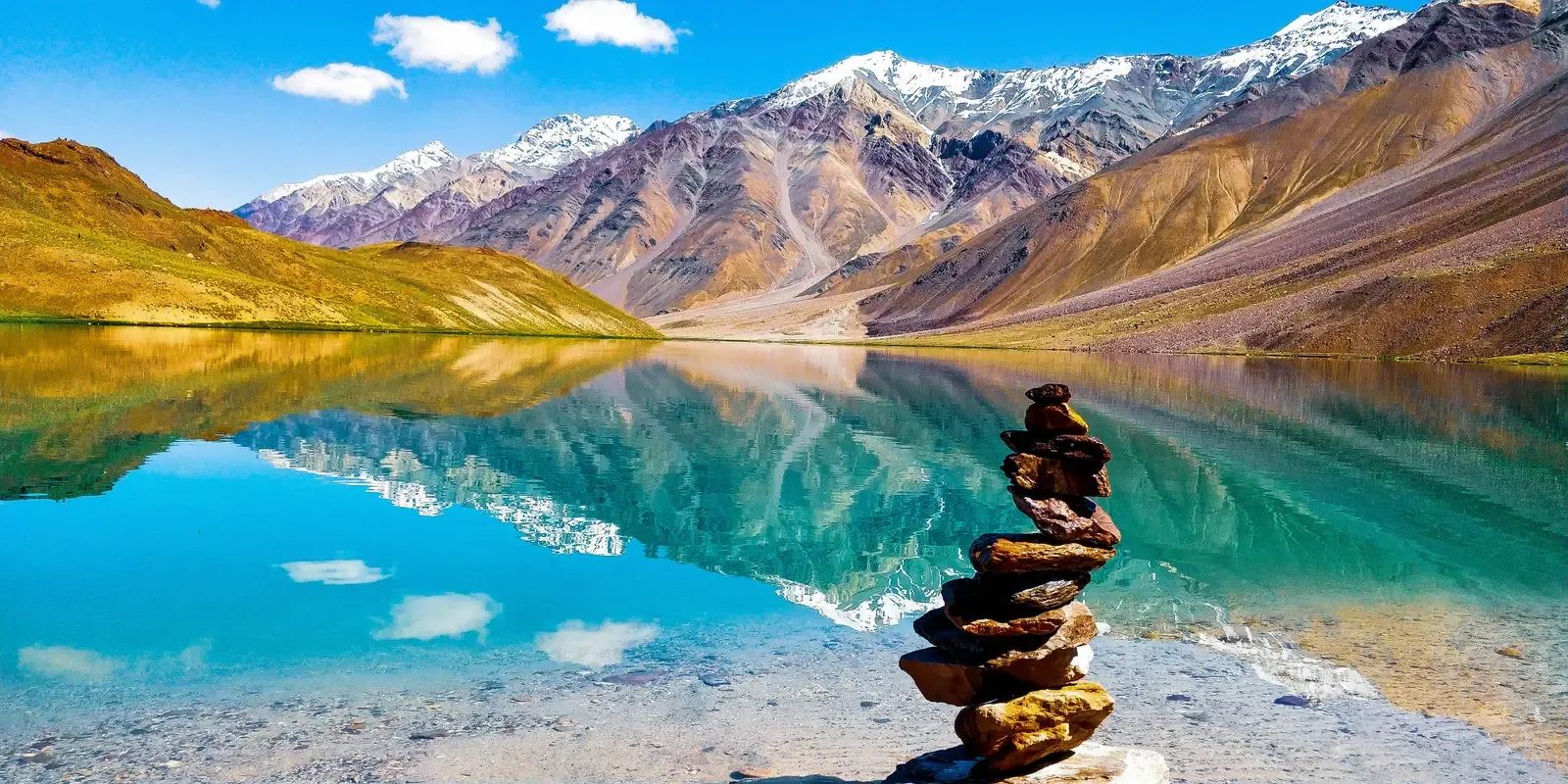
A turquoise lake lying still under bare ochre and purple mountains, the ridge reflected across it and a stack of flat stones balanced on the shore.

Chandratal and Kunzum Pass

A crescent lake at 4,270m, an hour off the pass that separates Spiti from Lahaul. Open for about five months, reached on a rough spur, and the one place in Himachal people plan an entire trip around.

Suits — Spiti trips going out via Manali, camping, photographers

Kullu and Manali

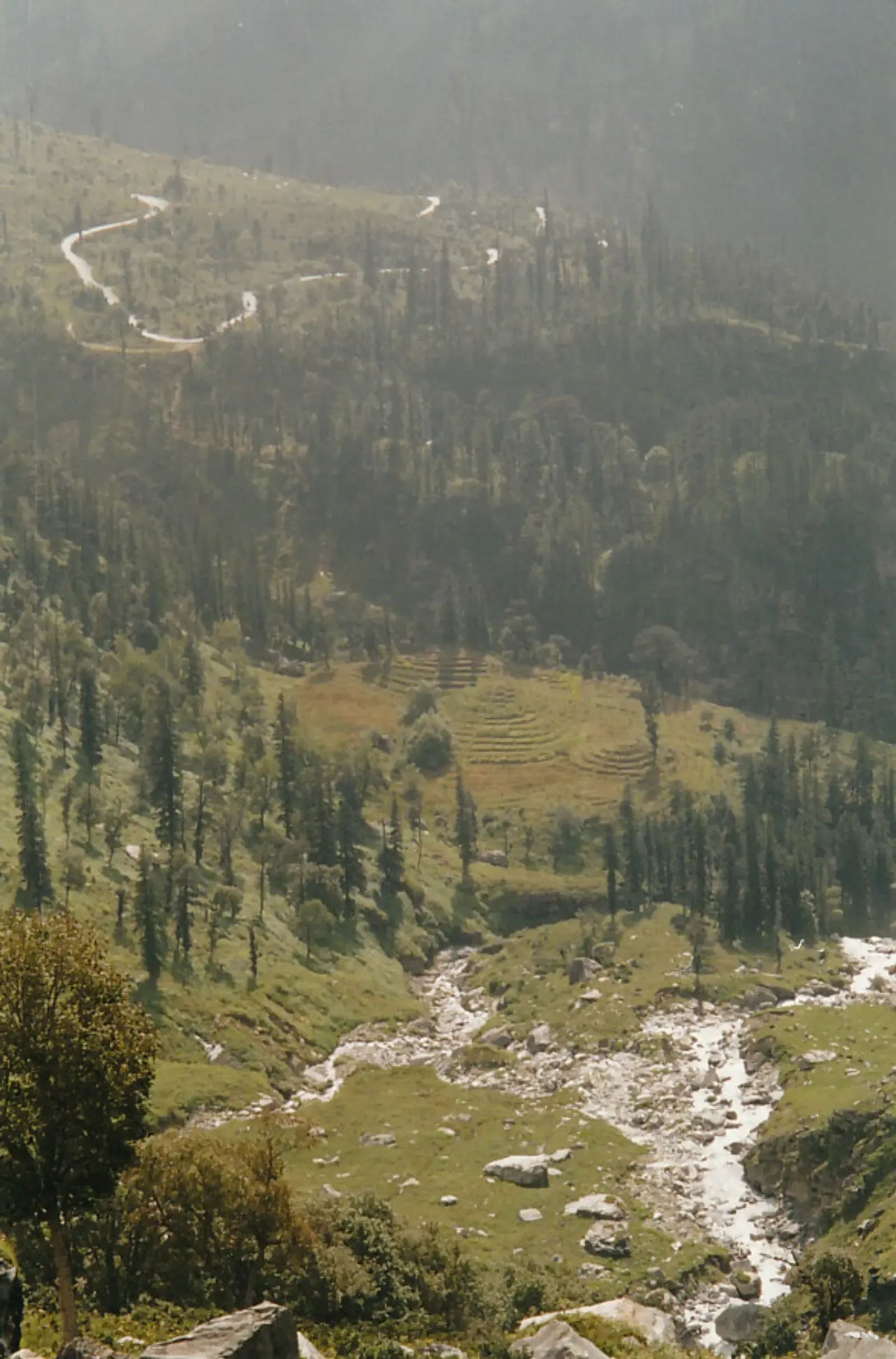
A stream running through pine forest and open meadow with terraced ground on the slope beyond.

Kullu and Manali

Snow up at Solang, orchards along the Beas, and the tunnel that has opened up the whole of Lahaul. It gets busy in season, so we plan around the crowds rather than into them.

Suits — families, honeymoons, snow

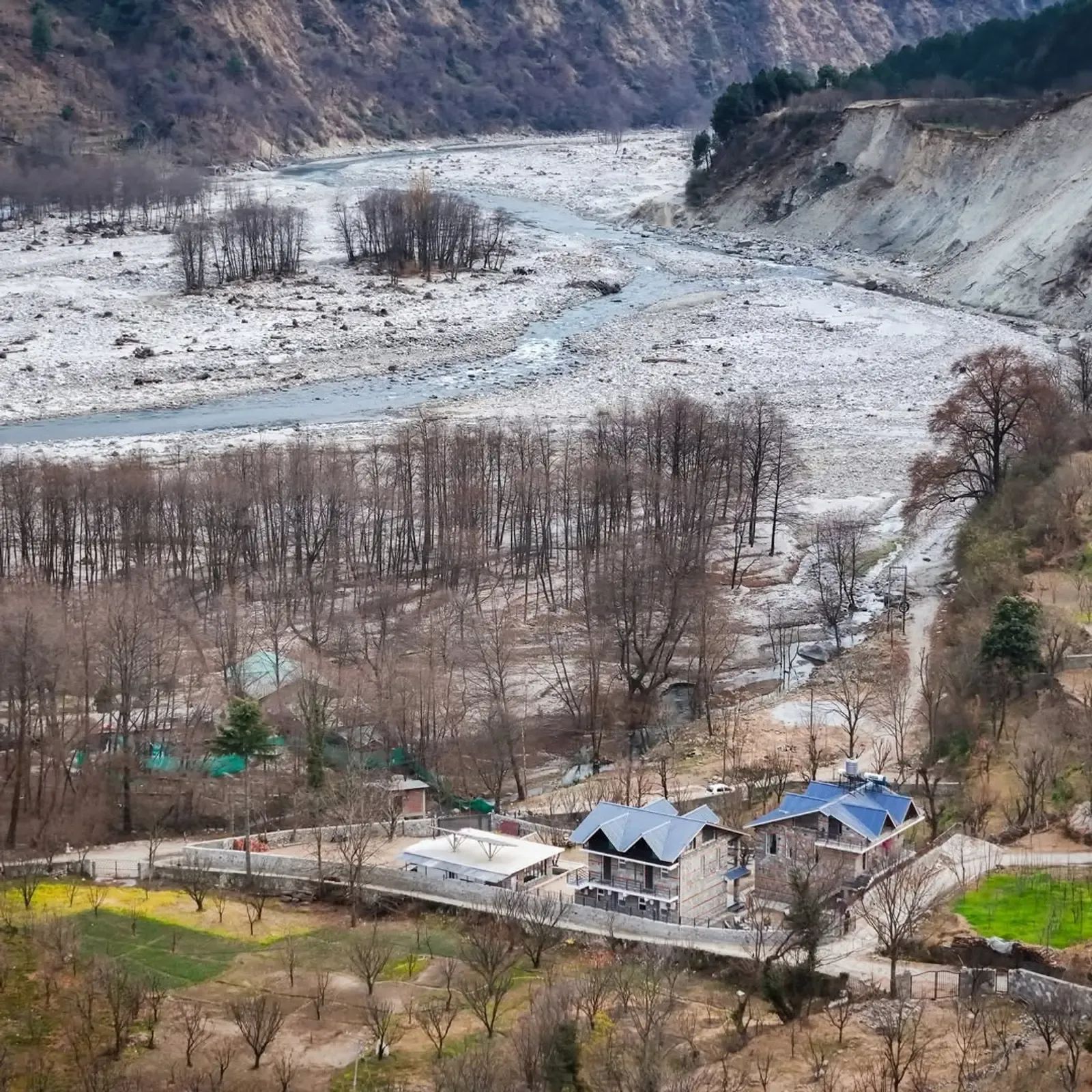
Bare winter trees along a wide stony riverbed with a blue-roofed building on the far bank and snow on the ground.

Kullu town and the Beas

Most people drive through Kullu on the way to Manali and see a bypass. The town itself is a working valley capital with a week-long Dussehra that starts when everyone else's has finished.

Suits — festivals, temples, anyone stopping between Shimla and Manali

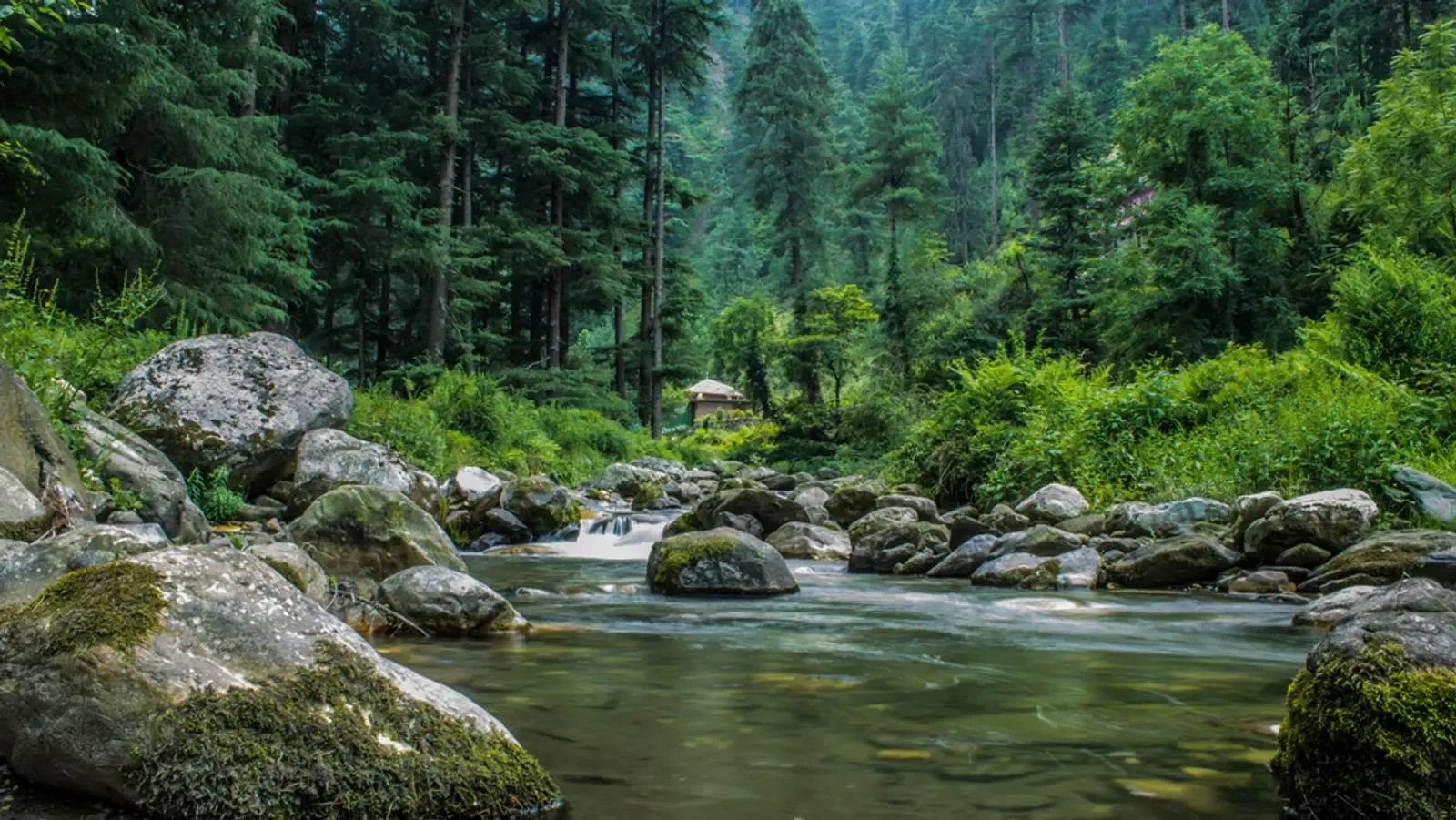
A clear river running over pale boulders between steep banks of dense green forest.

Tirthan and Jibhi

A side valley off the Kullu that the highway misses entirely. Trout in the river, a national park at the top of it, and rules that have kept the riverbank from being built on.

Suits — slow trips, walkers, working remotely, anyone tired of Manali

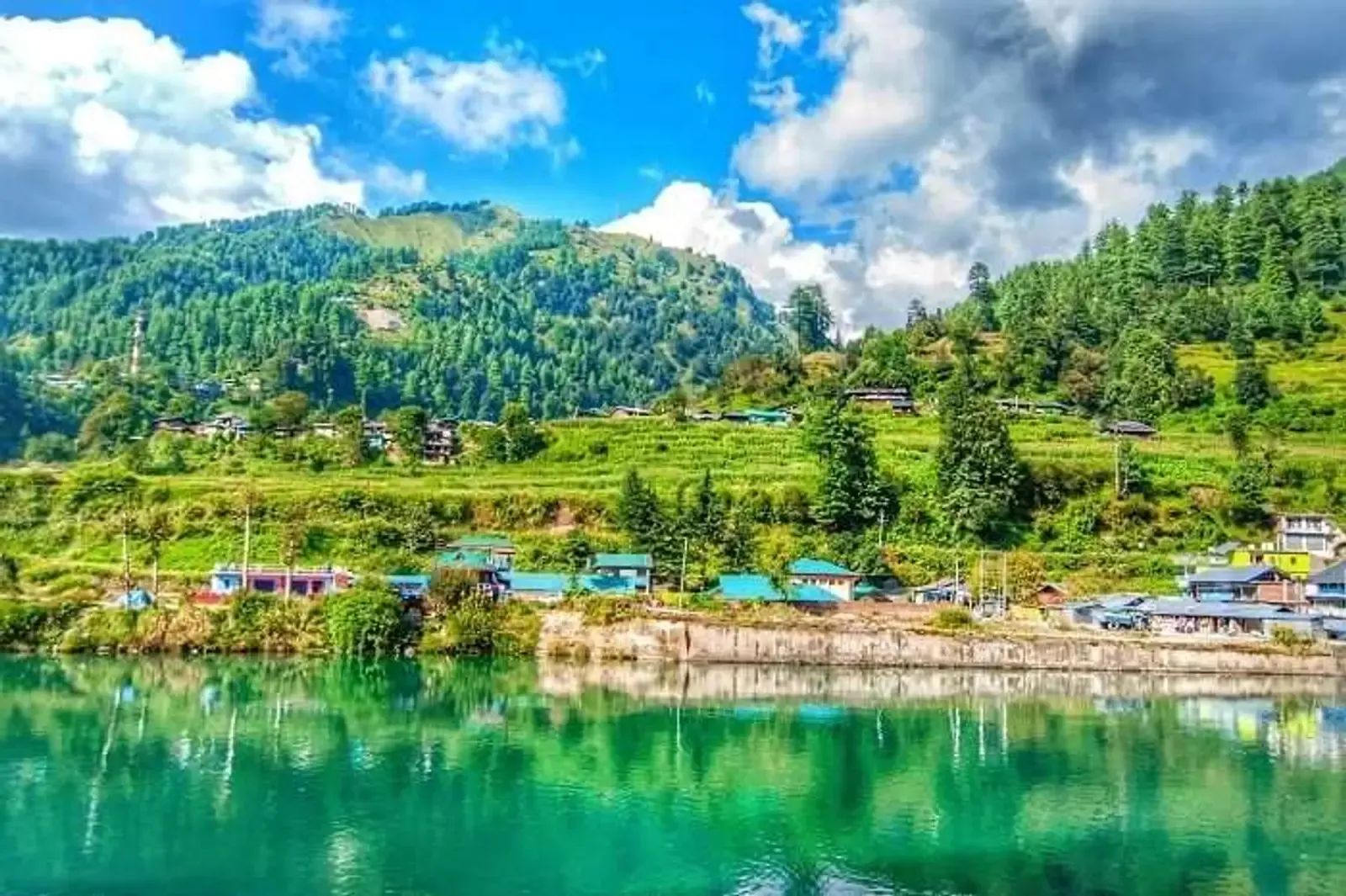
A turquoise reservoir held in a wooded valley with a scatter of village buildings along the shoreline.

Barot valley

A valley built around a hydroelectric scheme from 1932 and largely left alone since. The Uhl runs through the middle of it, there is a trout hatchery, and almost nobody has heard of it.

Suits — fishing, cycling, people who want somewhere with no itinerary

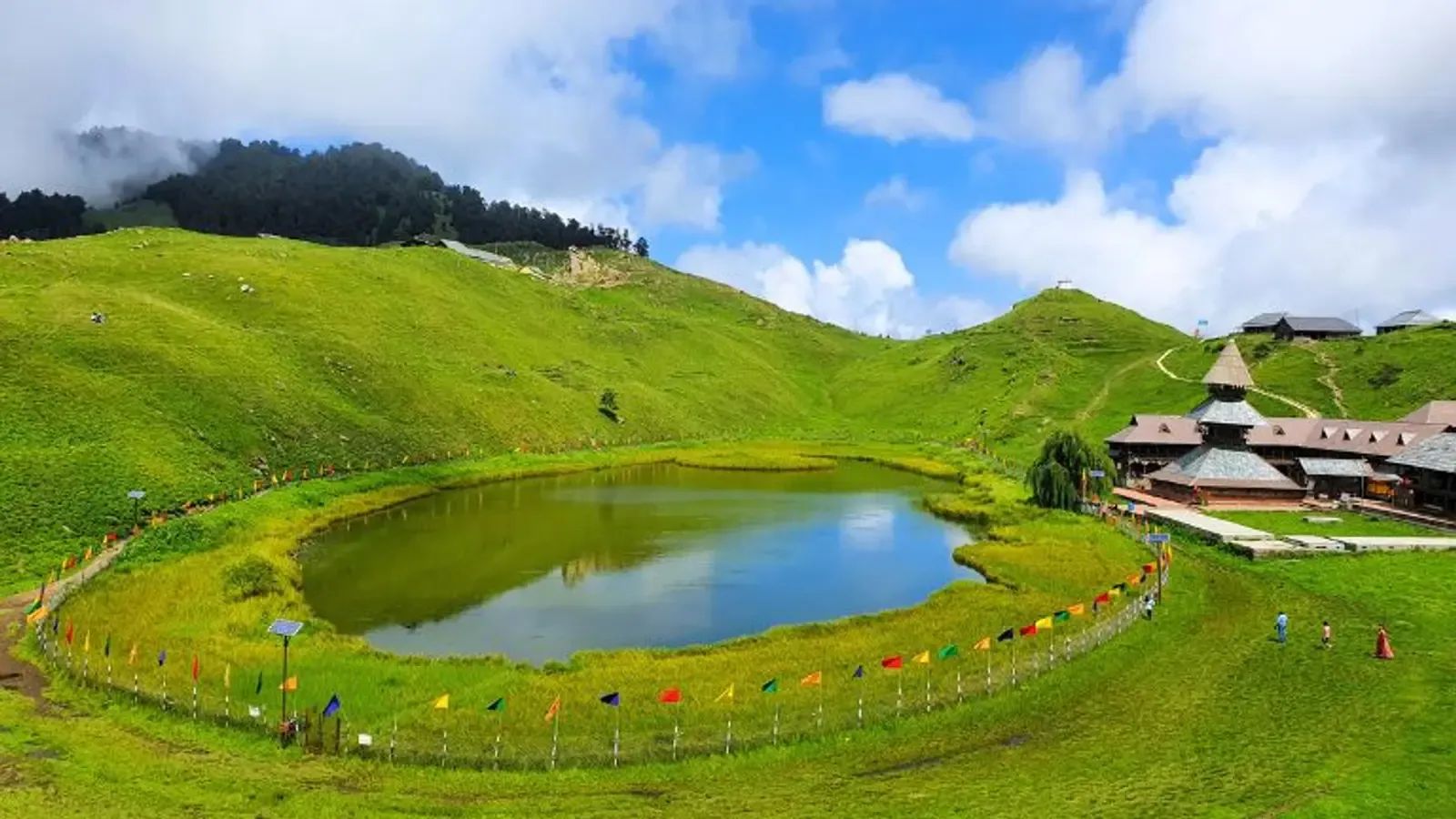
A three-tiered pagoda temple standing on a green bowl of meadow beside a small dark lake, forest closing the ridge behind.

Mandi, Rewalsar and Prashar

A town with eighty-one temples, a lake three religions hold sacred, and a thirteenth-century pagoda beside a lake at 2,730m with a floating island in it. All within an hour of each other.

Suits — temples, architecture, a stop between Chandigarh and Manali

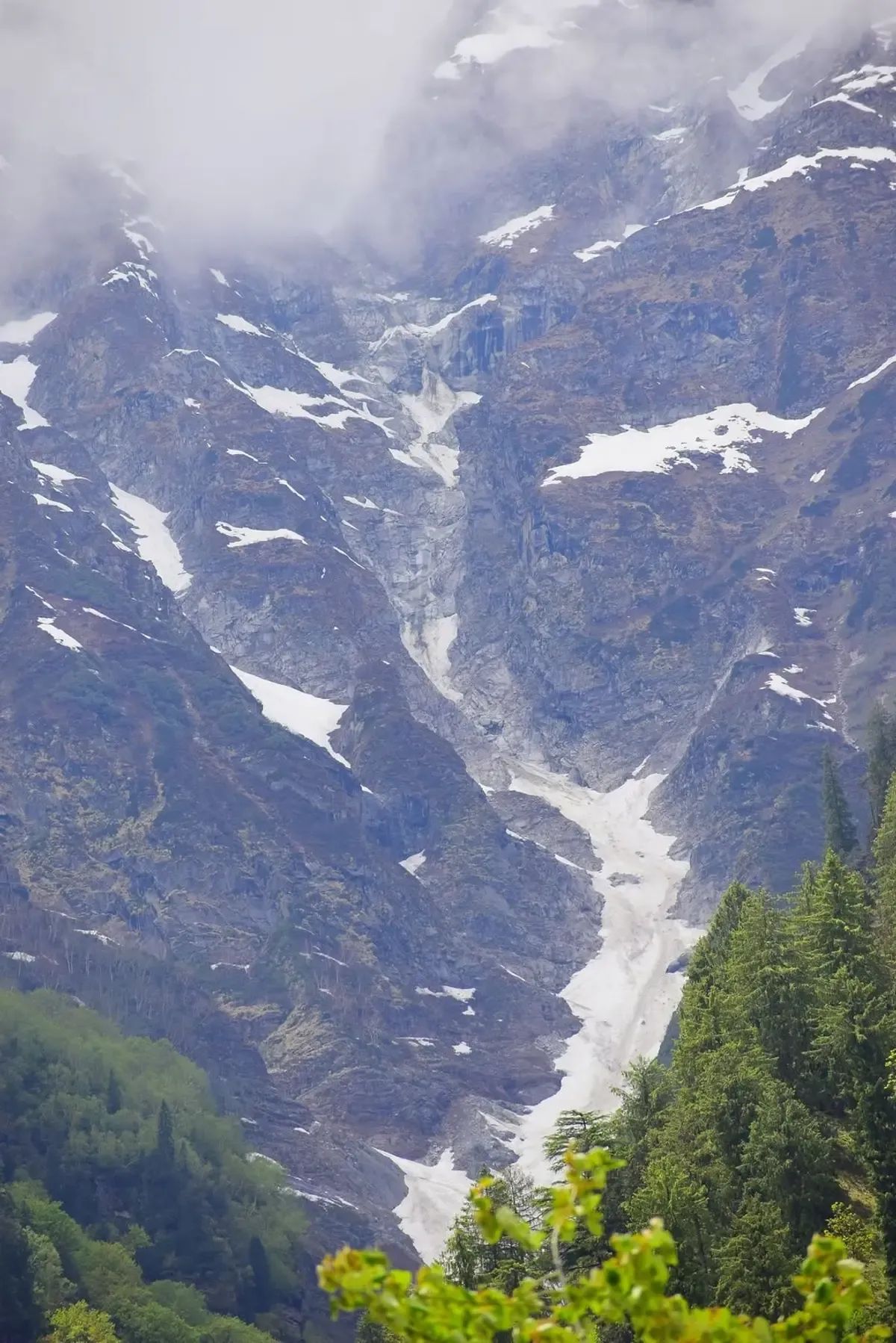
A snow-streaked rock face rising into low cloud above a dark conifer forest, with a broad avalanche runout of old snow spilling down a gully in the middle of the frame.

Solang and the Rohtang road

The activity valley twelve kilometres above Manali, and the pass road above that. Snow in winter, paragliding and a ropeway in summer, and a permit system that catches out more visitors than anything else in Himachal.

Suits — families with children, first snow, anyone who has been told they need a Rohtang permit

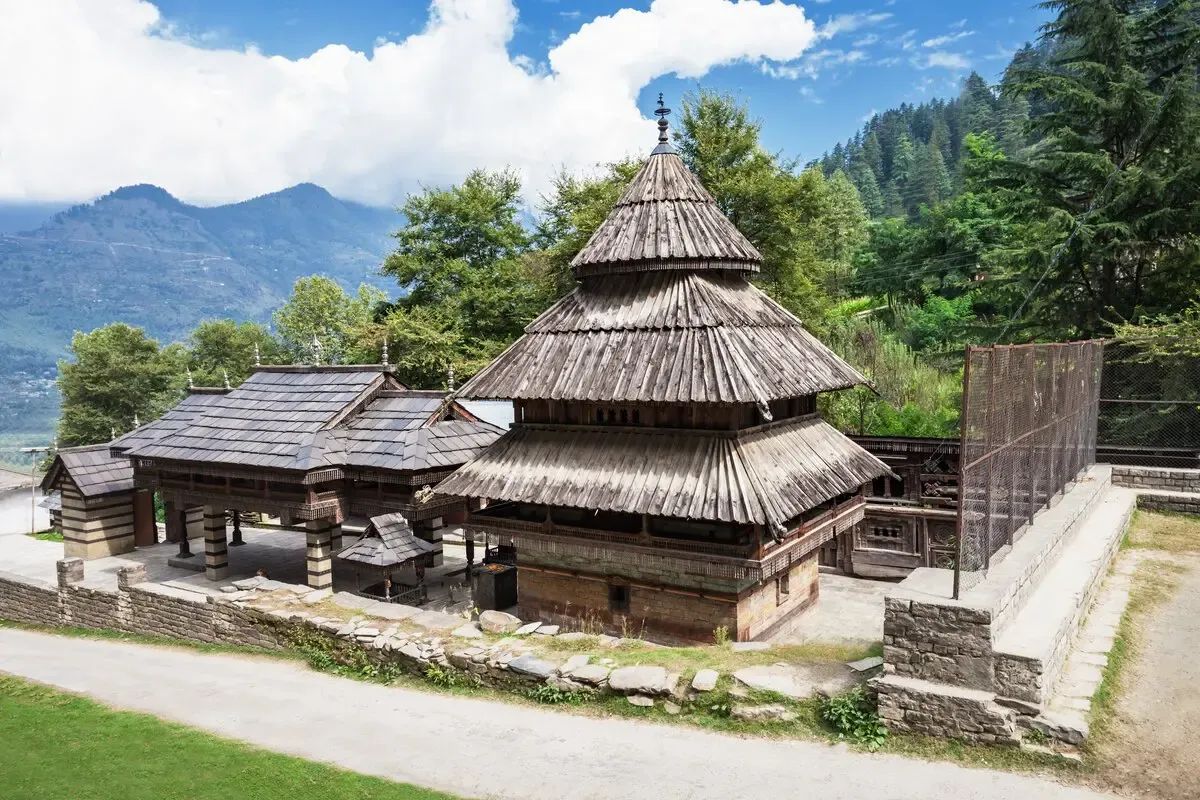
A tiered wooden temple with a conical shingled roof and carved eaves, standing on a walled terrace above the valley in deodar forest.

Naggar and the left bank

The old capital of Kullu, halfway up the valley on the quiet side of the river. A castle built without nails, a Russian painter's house, and a road that most traffic no longer uses.

Suits — slow days, anyone tired of Manali, people who like old buildings

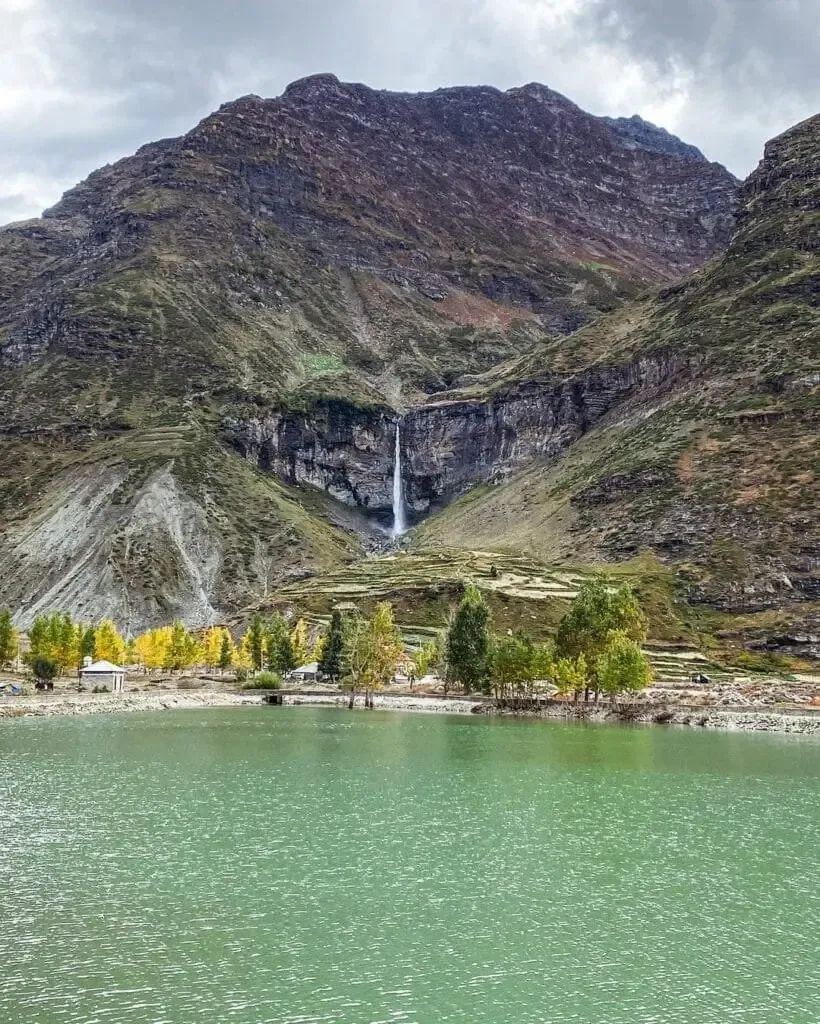
A waterfall dropping the full height of a dark layered cliff, with terraced fields and a line of autumn poplars on the slope below it.

Lahaul, Sissu and Keylong

The far side of the Pir Panjal — wide, bare, glacier-fed and, since the tunnel opened, forty minutes from Manali in any month of the year. The one part of high Himachal you can reach in February.

Suits — winter trips, second visits to Manali, anyone who wants high country without a pass

Shimla and the south

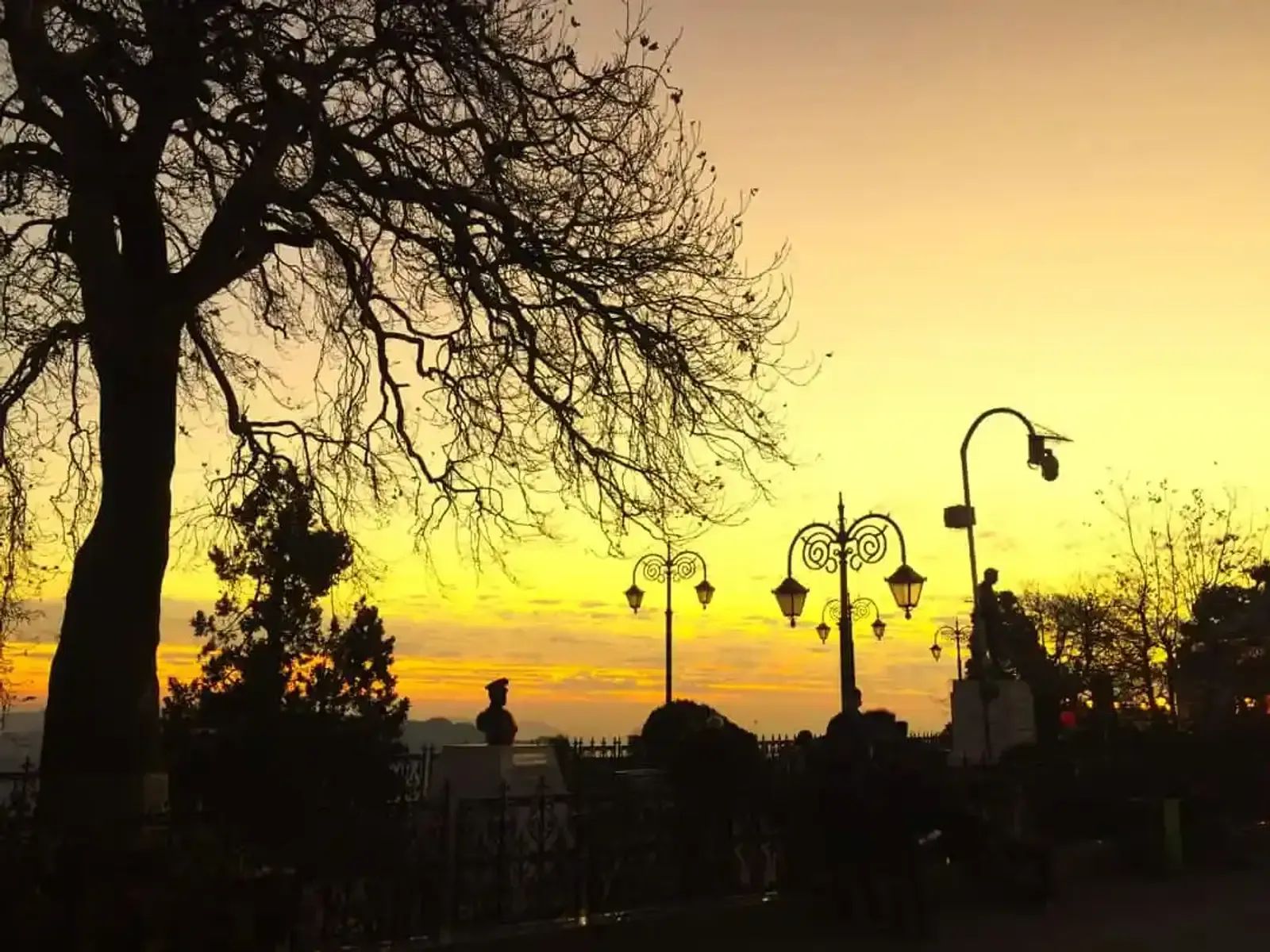
Bare trees and cast-iron lamp posts in silhouette along a promenade, the sky behind them orange at sunset.

Shimla and the south

The old summer capital. British-era buildings along the Ridge, the narrow-gauge train up from Kalka, and apple country at Narkanda an hour past the noise.

Suits — short trips, history, easy driving

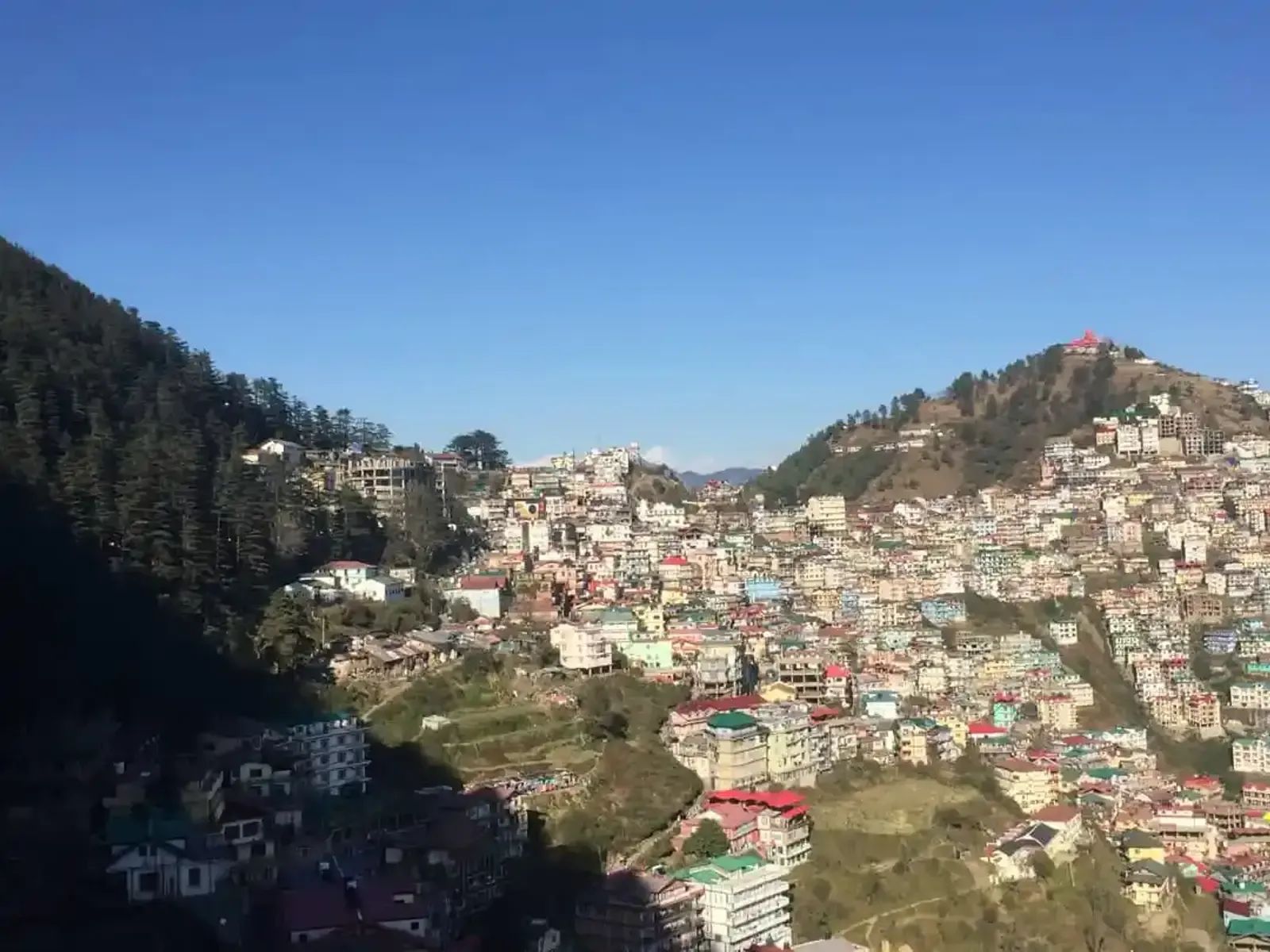
A hill town stacked steeply up its slope, roofs and terraces packed together under heavy cloud.

Shimla and Kufri

The old summer capital, still built the way the British left it — a ridge with a promenade along the top and the town falling away either side. Kufri is sixteen kilometres on and is where the coach parties go.

Suits — families, first trips, train enthusiasts

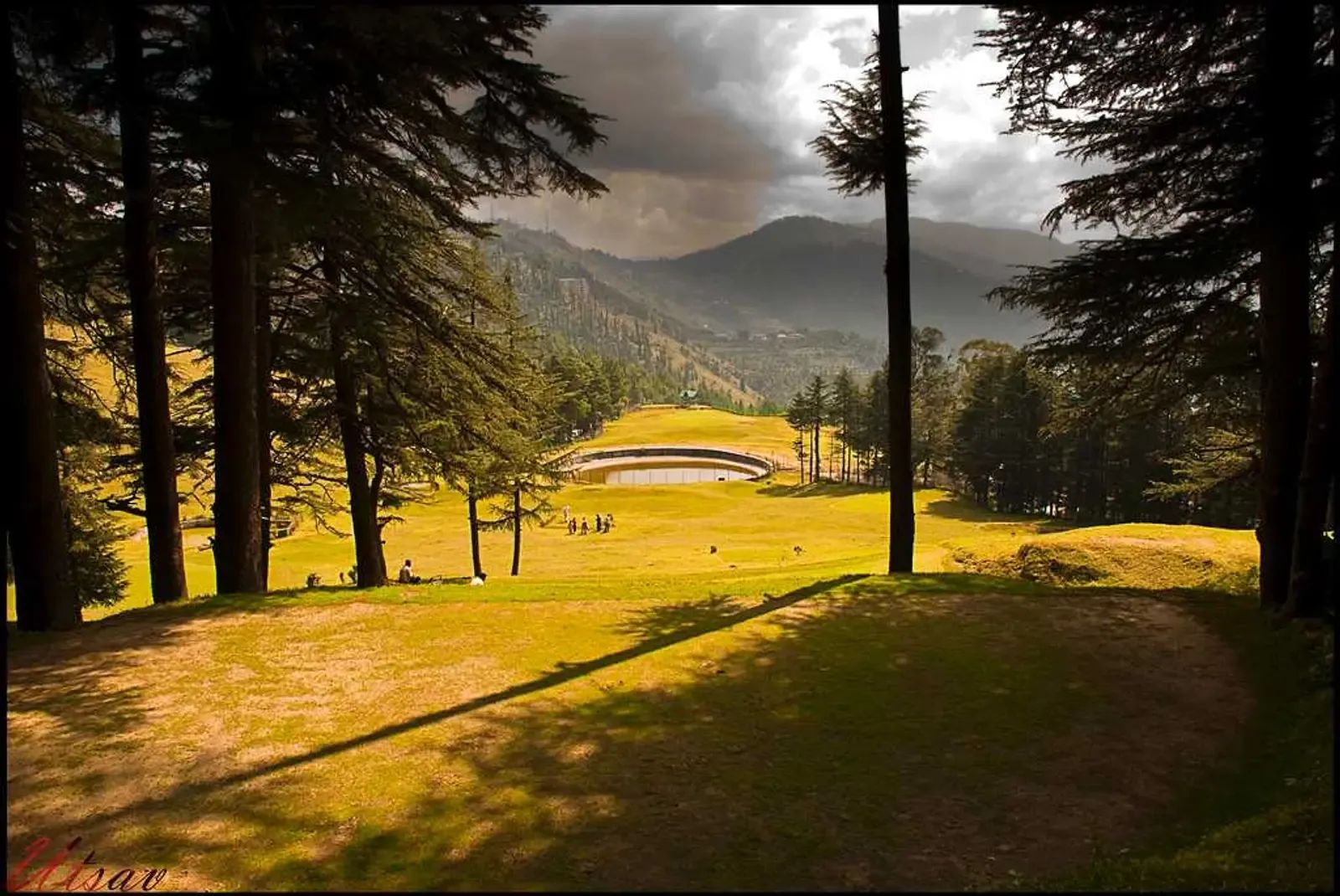
Tall deodars framing a wide flat clearing of mown grass with a pavilion at the far side, low afternoon sun across it.

Chail

A hill town that exists because a maharaja was thrown out of Shimla and built himself somewhere better. Deodar forest, a palace, and a cricket ground cut into the top of a mountain.

Suits — couples, quiet weekends, anyone avoiding Shimla

A stone church with a spire standing among trees on a green hillside, cloud coming down over the slope behind it.

Kasauli

An army cantonment that never turned into a resort, because the cantonment rules would not let it. Two streets, a lot of pine, and the plains laid out below you at night like a circuit board.

Suits — short breaks from Delhi, walkers, people who hate itineraries

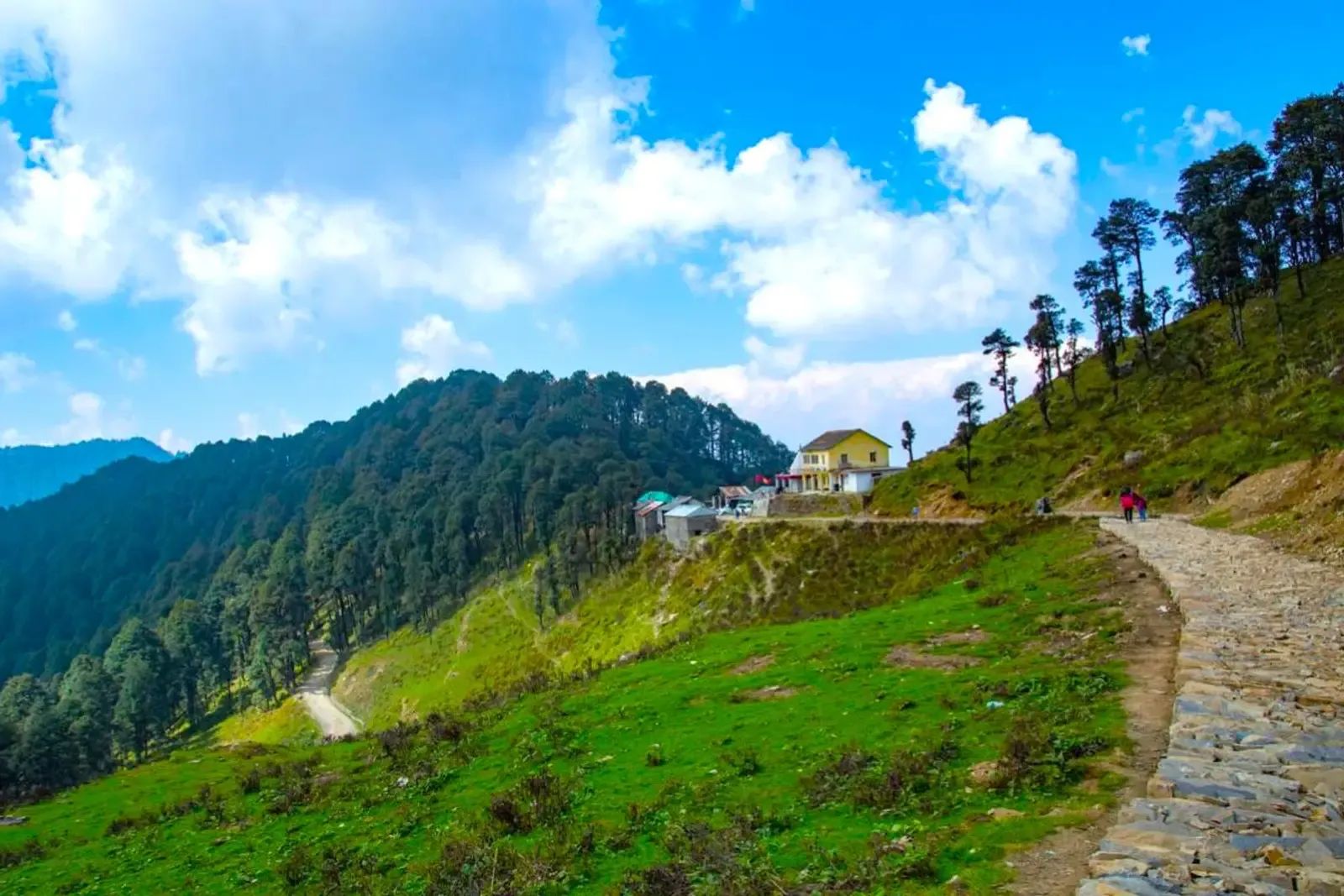
A footpath running up a broad grassy shoulder with scattered conifers and a clear blue sky above the ridge.

Narkanda and Hatu Peak

An hour and a half past Shimla on the road to Kinnaur, where the apple country starts and the crowds stop. Hatu Peak is 3,400m and you can drive most of the way up it.

Suits — day trips from Shimla, apple season, early snow

Chamba and Dalhousie

Terraced fields stepping down a green hillside with a village strung along the contour above them.

Chamba and Dalhousie

The quiet north-west corner. Stone temples a thousand years old at Chamba, cedar walks above Dalhousie, the meadow at Khajjiar. Nothing in Himachal is gentler than this.

Suits — couples, slow travel, older parents

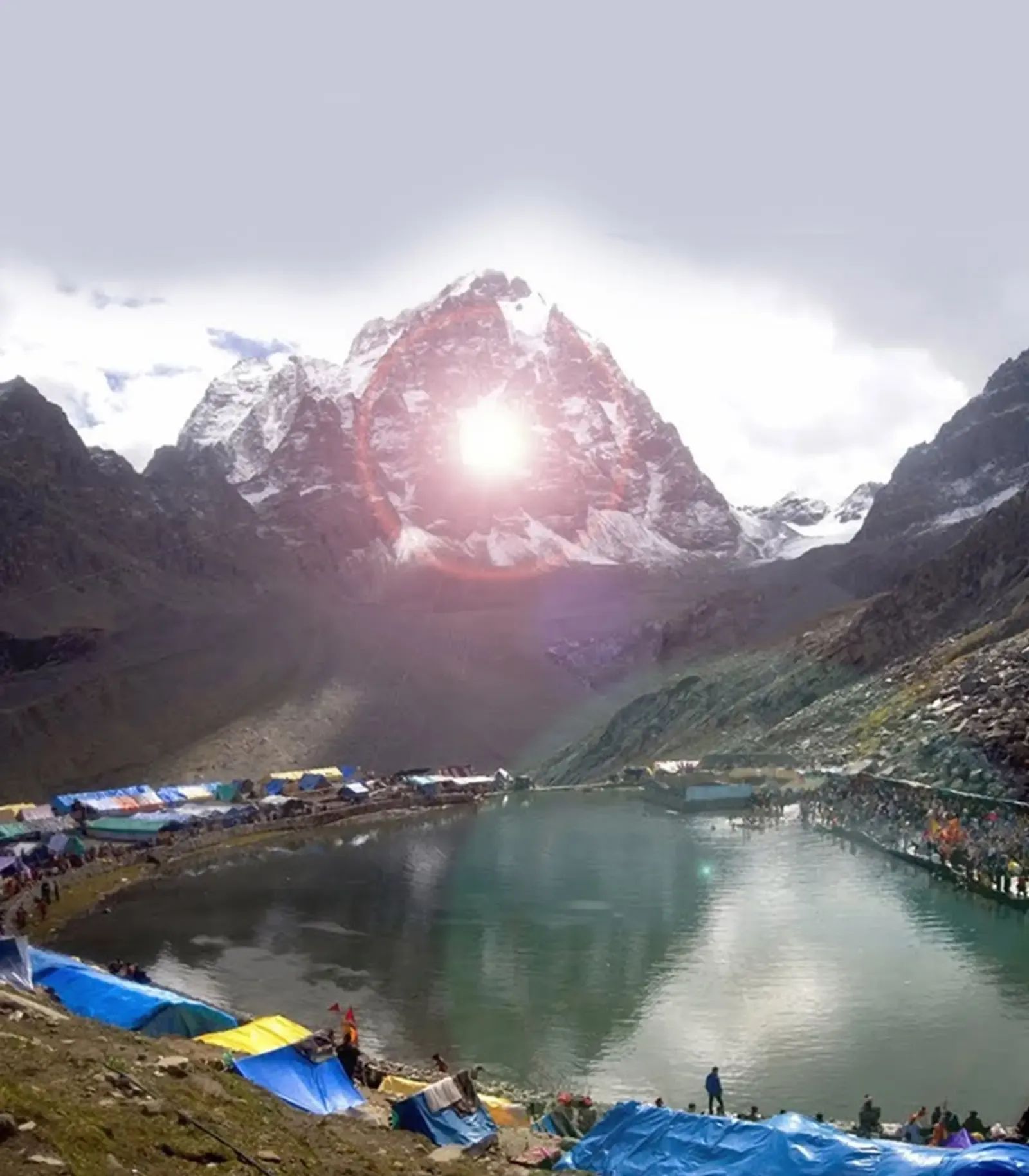
A snow peak catching the sun above a high lake with pilgrims' tarpaulin shelters pitched along the shore.

Chamba and Manimahesh

A town that has been continuously inhabited since around 920 AD, with stone temples to match, and above it a lake at 4,080m under a peak nobody has been allowed to climb.

Suits — temples, pilgrimage, museums, walkers with a head for altitude

Parvati and Bir

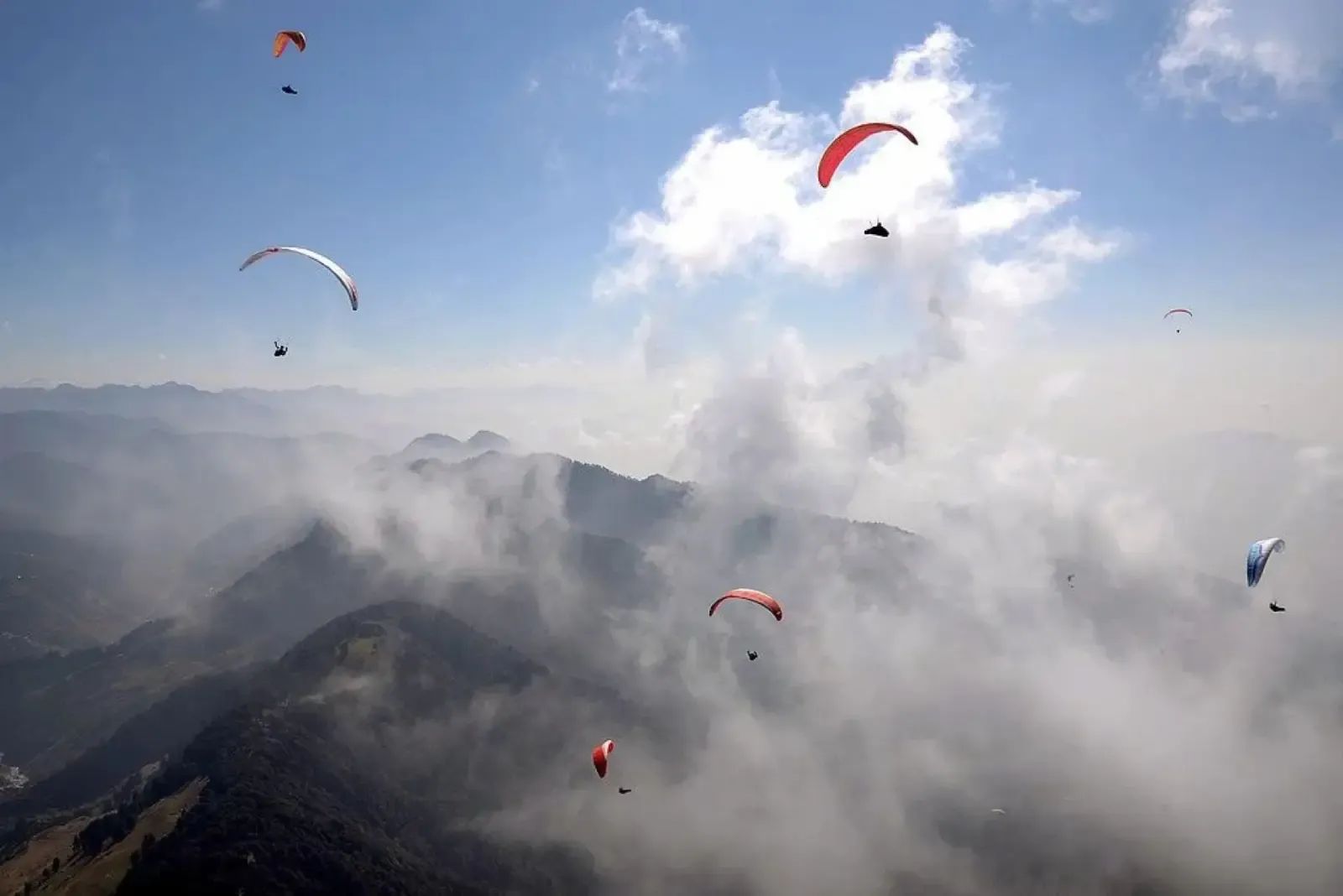
Paragliders climbing in a line above a bank of cloud with the dark ridge below them.

Parvati and Bir

Where people turn up for a week and stay a month. Cafés over the river at Kasol, hot springs at Manikaran, and Bir Billing — one of the best places in the world to fly, half an hour from Dharamshala.

Suits — backpackers, paragliding, remote workers

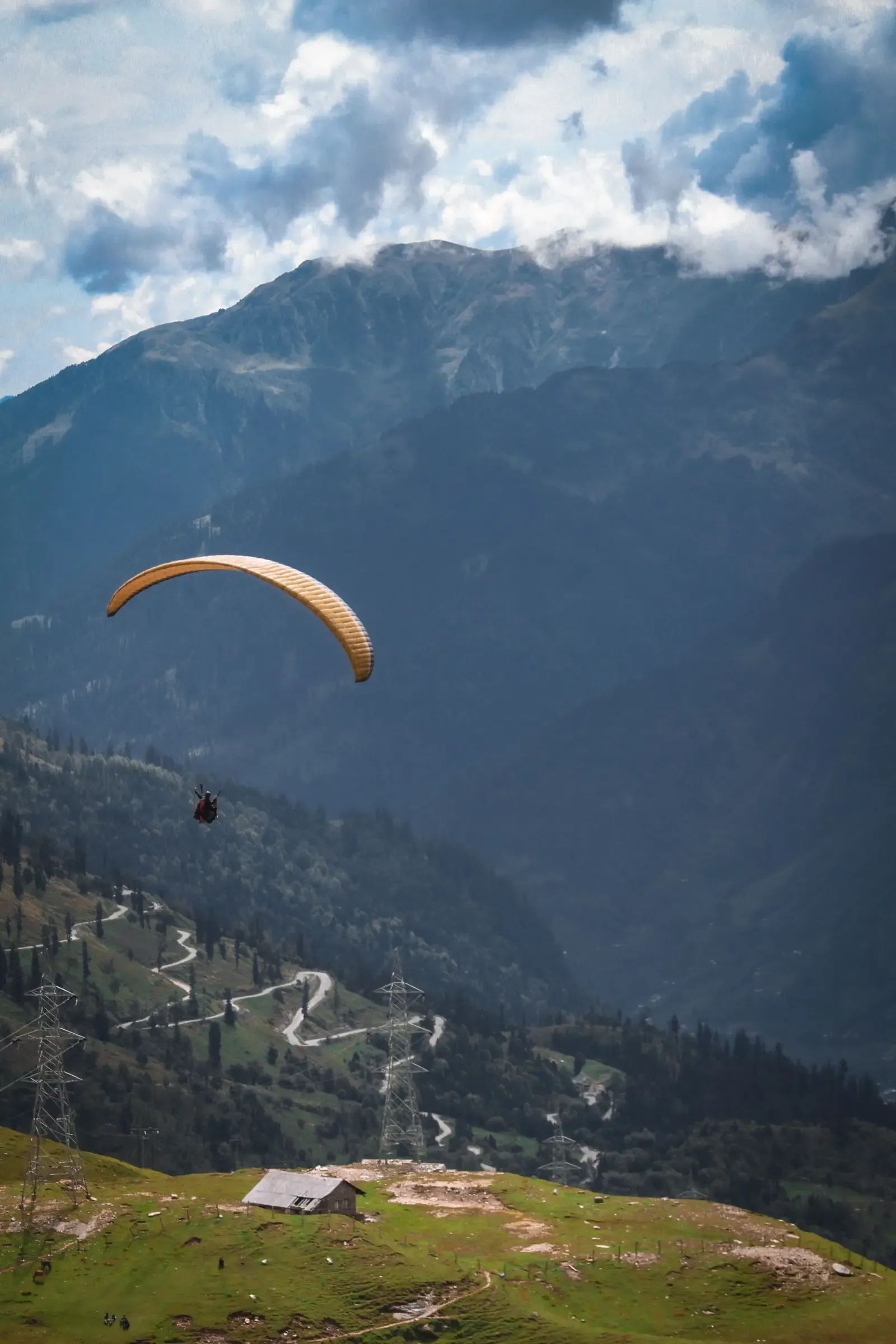
A single paraglider hanging above a bare brown ridge with a road switchbacking up the slope beneath it.

Bir and Billing

Take-off is a grass shoulder at 2,400m and landing is a field fourteen kilometres away and a thousand metres lower. Between flights, a Tibetan settlement with four monasteries and a great many cafés.

Suits — paragliding, Tibetan Buddhism, long stays, remote work

Send us your dates

Tell us roughly when you are coming and how many of you there are. We will write the days out properly and give you one price, usually the same day.