
Pong Dam and the Kangra wetlands
Two hours below Dharamshala the Beas is dammed into a lake the size of a small district, and every winter a couple of hundred thousand birds arrive on it from central Asia. Two days, two dawns, and a pair of binoculars.
- Pong Dam
- Nagrota Surian
- Dhameta
- Ransar
Good for — Birdwatchers, photographers with long lenses, and anyone in Kangra between November and March
Read the full descriptionClose the description
Himachal’s tourism is entirely about height. Everything anybody comes for is above two thousand metres, and the low end of the Kangra valley — hot, flat, agricultural — is what people drive through to get to the interesting part.
The exception is a reservoir. The Beas was dammed at Pong in 1974 and the lake behind it, Maharana Pratap Sagar, is a couple of hundred square kilometres of shallow water in a district that had none. Within a decade the birds had found it.
What the lake is, on paper and in practice
Declared a bird sanctuary in 1983 and a wildlife sanctuary over the whole reservoir in 1986, and designated a Ramsar wetland of international importance on 19 August 2002. Over 220 species from 54 families recorded. The highest winter count anyone has published is around 142,000 birds, in 2005.
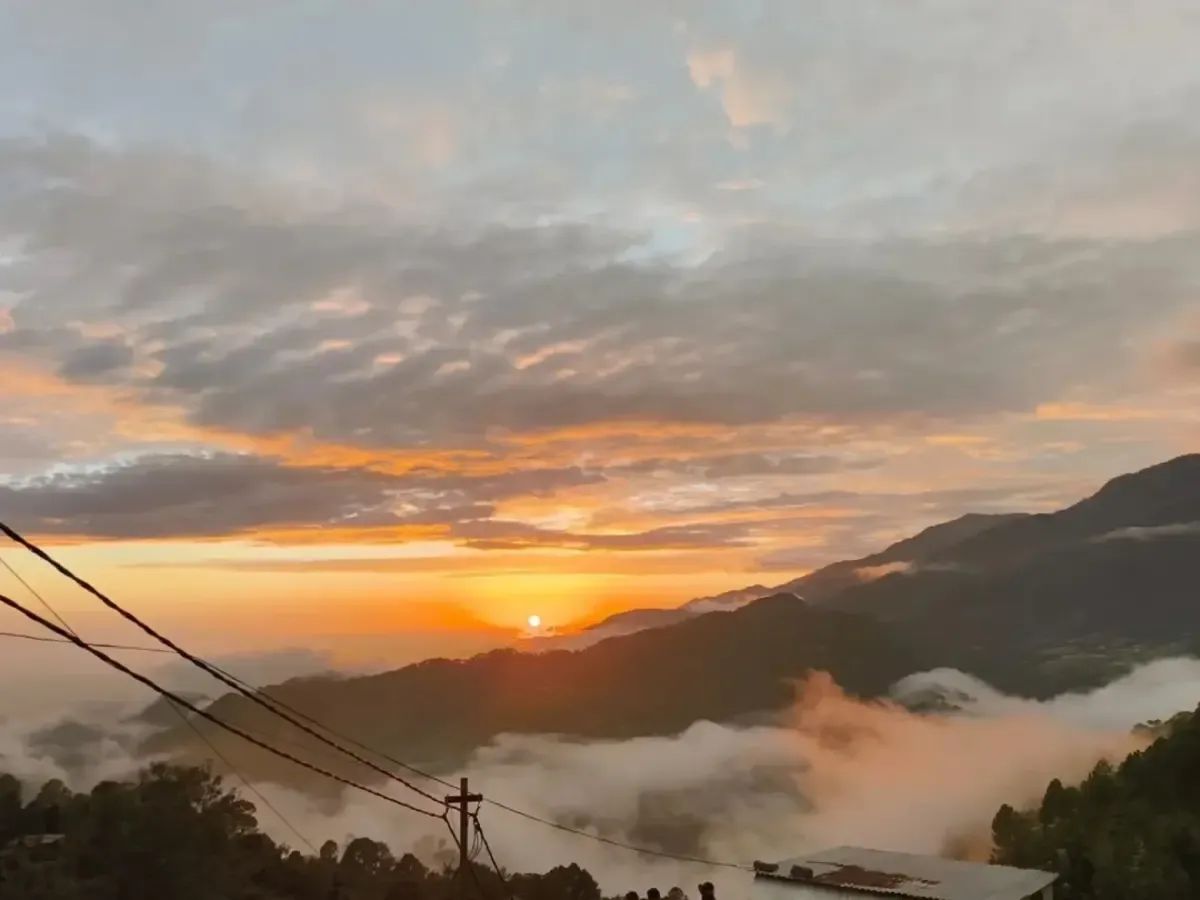
Those are the numbers. What they mean on a February morning is a lot of open water with rafts of duck a long way out on it, mudflats and stubble at the margins where waders and geese are feeding, and a great deal of noise at first light.
It is not a national park with a gate and a jeep track. It is a working landscape — fishing boats, buffalo, winter wheat right down to the waterline — and the birds are in and among all of it.
Bar-headed geese, and why they are the ones to see
They breed on the high lakes of central Asia and winter on the Indian plains, and between the two they fly over the Himalaya.
Not around it. Over it. The physiology that lets them do that — haemoglobin that loads oxygen at pressures where a person would be unconscious, a wingbeat they can sustain in air a third as dense as at sea level — is one of the more extraordinary things in vertebrate biology, and several thousand of them spend the winter on this lake with their heads under their wings looking entirely ordinary.
If you have driven up from Delhi, they came the other way over the range you are about to go into.
Two dawns is the itinerary and the reason for it
Everything on this trip happens in the first two hours of daylight and the last two before dark.
In between, the birds sit out on open water where you cannot usefully see them, the light is flat and white, and it gets hot. That is why this is an overnight and not a day trip out of Dharamshala: a day trip arrives at eleven and leaves at three, which are precisely the wrong four hours.
Sleep near the water, be on the shore before the sun is, and have breakfast afterwards.
Where to stand, and what else is here
The shoreline access points are scattered around a very large lake and none of them is signposted in a way that helps. Nagrota Surian is the usual base and the best-known stretch; Dhameta and the Ransar side are quieter and hold different water depths, which means different birds.
We take somebody local with us on both sessions, and it is the part of this trip worth paying for. Water levels move the birds by kilometres between one week and the next and there is no substitute for a person who was there on Tuesday.
If the weather closes in, the rock-cut temples at Masroor are half an hour away and are the best wet-afternoon fallback in the district.
Day by day
How the 2 days run
- Day 155km, about 2 hrs
Down to the lake
Out through Kangra and down the valley — you lose about a kilometre of height and gain several degrees. Nagrota Surian in the early afternoon, then the shoreline for the last three hours of light, which is when the birds come off the open water and onto the shallows. Somebody who knows the lake comes with us.
- Day 2Short runs between the shoreline points
First light, and the far shore
Out before sunrise, which is the whole reason to have slept here. Two or three hours on the water's edge, breakfast afterwards rather than before, then round towards Dhameta and Ransar for a different set of shallows. Back in Dharamshala by the evening.
The price
What is in it, and what is not
Included
- Private car and driver for both days, fuel, tolls and parking
- One night's accommodation near the lake, twin sharing, with breakfast
- A local birding guide for both sessions
- Pickup and drop anywhere in Dharamshala or McLeod Ganj
Not included
- Boat hire, where the forest department is running boats
- Binoculars and camera equipment
- Lunches and dinners
- Anything you buy for yourself
We do not publish a rate card. The number depends on the season, how many of you there are and the sort of hotels you want, so we price each trip on its own — and whatever we quote is what you pay.
Questions
What people ask about this one
What will we actually see?
Over 220 species from 54 families have been recorded on this wetland and a winter morning will show you a fraction of that. The birds people come for are the bar-headed geese, which cross the Himalaya to get here, along with northern pintail, ruddy shelduck, common teal and black stork. What you get on any given morning depends on the water level and the weather, and anyone who promises you a species list is guessing.
When is the season?
November to March, and February is usually the fullest. The migration builds through late autumn, peaks deep in winter and thins out in March. Outside those months this is a large and rather empty reservoir and we would not sell you a trip to it — the itinerary says November to March because that is when there is a reason to come.
Do we need binoculars?
Yes, and bring your own if you have any. Much of what you are looking at is on open water two or three hundred metres away and the difference between a good morning and a frustrating one is optics. A camera needs 400mm to be worth carrying. The guide will have a scope for the distant rafts of duck.
How cold is it at dawn?
Colder than the Kangra valley in the daytime suggests. The lake sits low and holds mist, and a December or January morning on the shore is genuinely cold for the first two hours before the sun gets to work. Layers, a hat and gloves, and something waterproof to sit on.
Can we add it to another trip?
Easily, and it is the usual way this one is booked. It sits on the road between Dharamshala and the plains, so it works as a first day coming up from Amritsar or Chandigarh, or as the last two days before flying out of Gaggal. Say so at the enquiry and we will fit it to whichever end of your trip it belongs at.
Keep reading