
The Great Himalayan National Park
A UNESCO site with no road in it. Three days on foot from the roadhead at Gushaini into a park that has been closed to grazing and collection since it was notified, with a registered guide because you cannot go without one.
- Gushaini
- Sai Ropa
- Rolla
- Shilt
Good for — Walkers with a few days, wildlife people, and anyone who wants a Himalaya without vehicles in it
Read the full descriptionClose the description
There are national parks you drive through and national parks you walk into. This is the second kind, and it is the reason it is still worth going to.
The Great Himalayan National Park was established in 1984 and inscribed by UNESCO in 2014. It covers 1,171 square kilometres of the upper Tirthan, Sainj and Jiwa catchments, running from about 1,500m to about 6,000m, and there is no road inside it anywhere.
What being closed for a generation does to a forest
The interesting thing about this park is not a species. It is the management decision.
When the park was notified, grazing, firewood collection and the gathering of medicinal herbs inside the boundary were stopped, and the villages that had those rights were compensated and eventually organised into the ecozone arrangements that now supply the guides and porters. That was hard, contested and in places still resented, and it is the honest background to a trip like this.
What it produced is a forest floor. Walk from the ecozone across the boundary and the change is visible within an hour: undergrowth, dead wood left where it fell, regeneration coming up between the old trees. Most Himalayan forest you will ever walk in is grazed, and it looks like parkland. This does not.
The shape of the three days inside
Day one in is long but gentle, along the Tirthan and then climbing to the clearing at Rolla. Day two is the one that costs you — a sustained climb out of the valley to the meadow and hut at Shilt, where the trees finally give up and there is a view. Day three is back down the same line to the boundary.
That is a there-and-back rather than a loop, which is not a compromise: this is a catchment, and the routes that cross out of it go over passes and take a fortnight. What you get instead is the same ground twice at different times of day, which anybody who watches wildlife will tell you is the better arrangement.
Birds, and being realistic about mammals
181 bird species and 31 mammals are recorded here.
The birds are the reason to bring binoculars. Himalayan monal is the one everybody wants and is genuinely findable; koklass pheasant is heard more than seen; the western tragopan, which is the park’s flagship and one of the rarest pheasants in the world, is the bird your guide will spend three days trying to get you and will probably not.
The mammals are a different proposition. Himalayan tahr and goral are seen from time to time, usually as movement on a slope a long way off. Brown bear and snow leopard are here and you will not see them, and anybody telling you otherwise is selling something. What you will see are tracks, scrapes and droppings, and a good guide will make that more interesting than it sounds.
What we would tell you to leave behind
The idea that a national park owes you an animal.
People arrive here having been to Ranthambore and expect the same transaction, and this park will not perform it. It is dense, wet, steep temperate forest with very low visibility and animals that have not been habituated to anything. The reward is different in kind: three days of walking in country with no road, no vehicle noise, no other party, and the sound of one river the whole way in and the whole way out.
If that is not what you are after, the Tirthan and Jibhi trip stays in the valley, sleeps in a bed every night and is a genuinely lovely four days. We would rather put you on the right one.
Day by day
How the 5 days run
- Day 18 hrs
Dharamshala to Gushaini
Down the Kangra valley to Mandi, up the Beas, and off the highway at Aut into the Tirthan. The road runs out at Gushaini, which is the point of it. A night in a guesthouse by the river, and the guide comes round in the evening to look at your boots and tell you what you are actually carrying.
- Day 220 min to the permit office, then about 5 hrs on foot
Sai Ropa, then in to Rolla
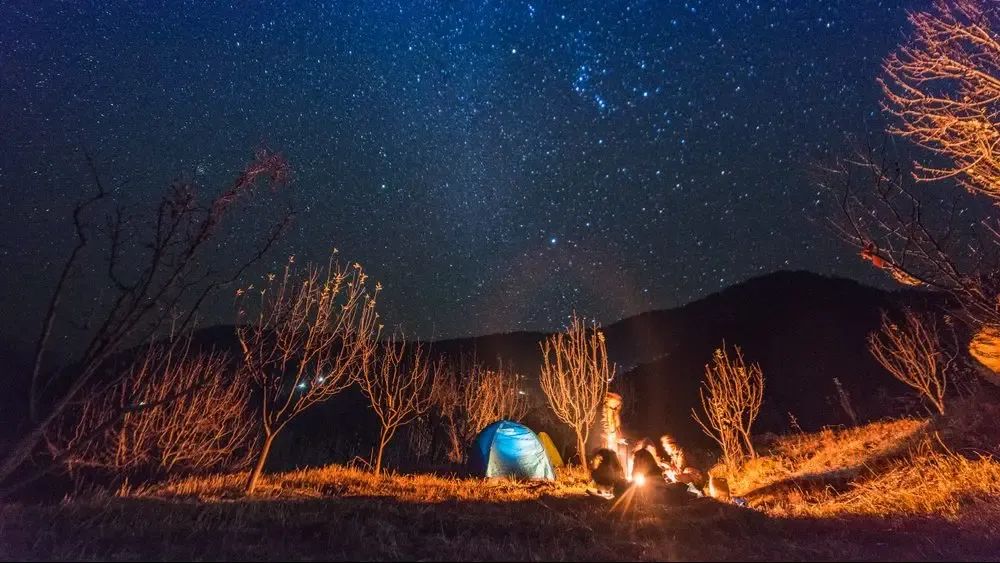
Permits are issued at Sai Ropa and there is no way round that step. Then the walk in: an easy start along the Tirthan through the ecozone, over the park boundary, and up through dense forest to the clearing at Rolla. You will not see another party. Tents, and the river loud all night.
Show all 5 daysShow fewer days
- Day 3
Up to Shilt
The steep day — a long climb out of the valley floor through oak and then conifer to the hut and meadow at Shilt, which is where the ground opens and you can finally see what you have walked into. This is the best chance on the itinerary of monal, and of the tracks of things you will not see. Second night under canvas, up here rather than down by the river.
- Day 4
Down to the river
Back down to Rolla and on out towards the boundary. Downhill all day, which sounds easy and is not, and there is time in the afternoon to sit by the water and do nothing at all. Third and last night under canvas.
- Day 52 hrs on foot, then 8 driving
Out, and home
A short walk to the roadhead where the car is waiting, and the long drive back to Dharamshala. We break it at Mandi for a proper lunch.
The price
What is in it, and what is not
Included
- Private car and driver at both ends of the walk, fuel, tolls and parking
- The park entry permit, arranged at Sai Ropa
- A registered park guide, from the boundary on the way in to the boundary on the way out
- Three nights in tents with all camping equipment, and one in a guesthouse at Gushaini
- All meals from the moment you leave the road until you get back to it
Not included
- Lunches and dinners on the driving days
- Porters, which most people want and which are hired locally
- Personal walking kit — boots, layers, a sleeping bag liner, a torch
- Anything you buy for yourself
We do not publish a rate card. The number depends on the season, how many of you there are and the sort of hotels you want, so we price each trip on its own — and whatever we quote is what you pay.
Questions
What people ask about this one
Do we really need a guide?
Yes. Entry past the ecozone requires a permit and a registered guide, and that is the park's rule rather than our preference — the guides are drawn from the villages that lost grazing and collection rights when the park was notified, and guiding is part of what replaced them. It is also the only reason you will see anything: what you are walking through is very dense forest.
How likely are we to see wildlife?
Birds, very. The park has 181 recorded bird species and the monal, koklass and western tragopan are all here, and a good guide will find you at least the first two. Mammals, much less so — there are 31 species including Himalayan tahr, blue sheep, brown bear and snow leopard, and almost nobody sees any of the last three. Expect a forest with tracks in it, and treat anything more as a good day.
How hard is the walking?
Four to six hours a day on rough forest trail with one properly steep climb, at between about 1,500m and 3,000m. It is harder than Triund and easier than anything with a pass in it. You need to be comfortable on uneven ground carrying a daypack, and you need boots rather than trainers — the trail is roots, loose stone and stream crossings.
What is the ecozone, and can we just do that?
The ecozone is the ring of villages and land around the park, outside the boundary, and day walks in it need neither permit nor guide. It is genuinely good walking and it is what our Tirthan and Jibhi trip does. It is also not the park: the difference is that inside the boundary nothing has been grazed, cut or collected for a generation, and the forest looks it.
Why not July and August?
Leeches, cloud and rivers. The monsoon makes the stream crossings serious, the trail becomes a mudslide, and you see the inside of a tent. The park is open in those months and we will not take you in them. April to June and mid-September to November are what we run, and October is the pick of them.
Keep reading