Blog
Dharamshala in winter, from a driver's point of view
We have written elsewhere about when it snows here. This is the other half of the question and the half we are actually qualified on: what winter does to the roads, to the light, to getting here from the plains, and to what a car can reasonably promise you between December and February.
Written by the people who drive these roads · Last checked
The short answer
Winter does not close Dharamshala. The roads stay open, the town works, and the valley below is at its best. What winter does is narrow the day — sunset is about 17:21 in mid-December — put morning ice on the upper roads to Dharamkot and Naddi, and make arriving unpredictable, because fog on the plains and at Kangra airport causes far more disruption here than snow does.
The facts, in one place
- Kangra airport at 770 m loses more winter flights to fog than it ever does to snow.
- The upper roads to Dharamkot and Naddi hold ice in shaded corners until mid-morning.
- Sunset is about 17:21 in mid-December, so a winter day here ends by five.
- Plains fog can add hours to the 497 km run up from Delhi in December and January.
- The Kangra valley floor at about 710 m is the reliable winter day out, 18.5 km below.
- 710 mKangra floor
- 1,300 mDharamshala
- 1,750 mMcLeod Ganj
- 2,130 mGallu Devi
Dharamshala in winter, from a driver's point of view
Read the whole postClose the post
Our post on the weather here month by month answers when it snows and how much. This is the part we are better placed to write: what winter does to a vehicle, a schedule and a day, between December and the end of February.
The headline is undramatic. Winter does not close this place. The roads run, the town works, the hotels are open and half empty, and the valley underneath is having its best two months of the year. What winter does is narrow things — the day, the margin for error, and the reliability of getting here at all.
What actually closes, and what does not
| Road | Winter status |
|---|---|
| Valley road, Kangra, Palampur, Pathankot | Open throughout |
| Dharamshala up to McLeod Ganj | Open; a day or two of disruption after heavy snow |
| McLeod Ganj to Dharamkot and Naddi | The section that ices; usually clear by mid-morning |
| Above Gallu Devi | On foot only, snow-covered, all winter |
| Rohtang, Kunzum, the Leh road | Shut, and nothing to do with this valley |
That last row is there because people conflate them. The high passes elsewhere in Himachal close for months and it produces a general impression that the state shuts in winter. Kangra is not that. We are at 1,300 m against a wall, not on the far side of it.
Ice, and the two hours that matter
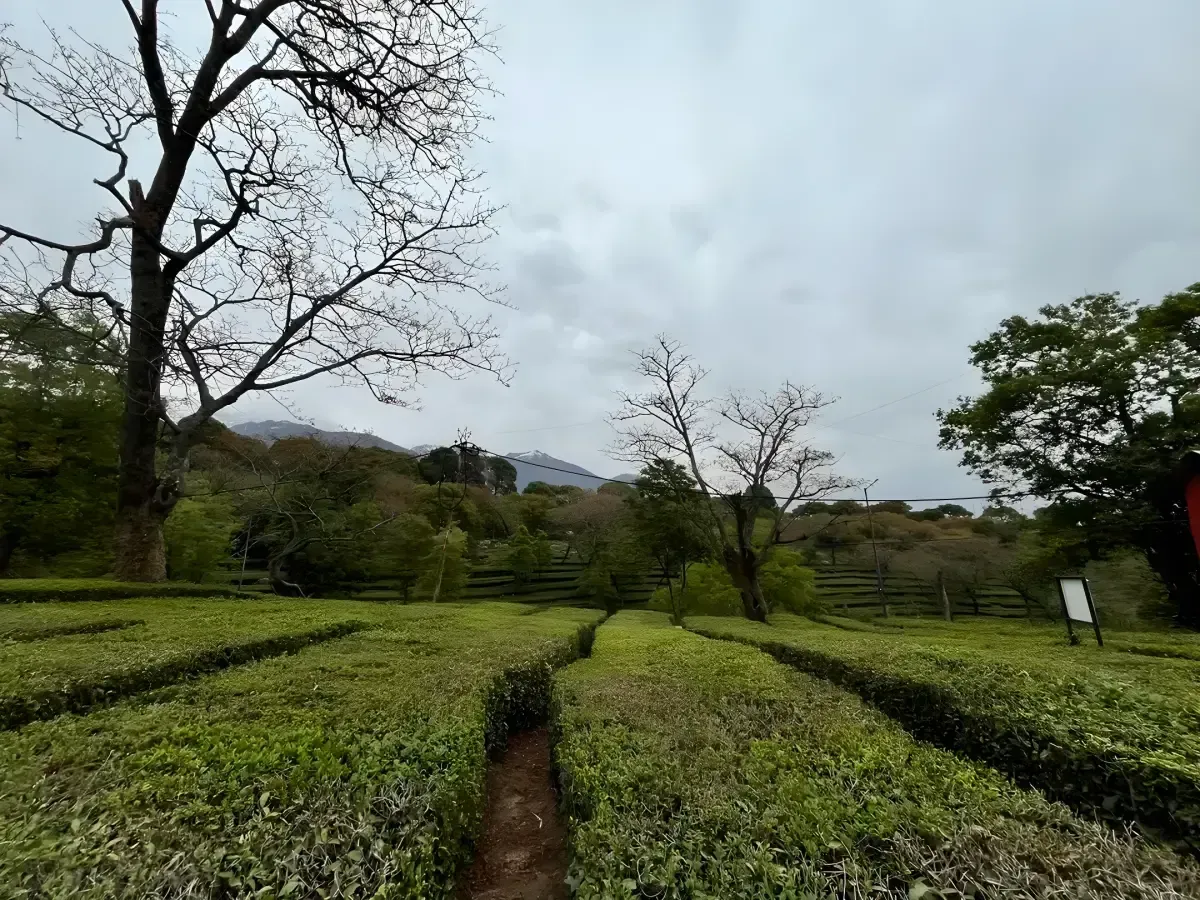
The genuine hazard is not snow lying on the road. It is the thin ice in the shaded corners of the upper roads, on mornings after a clear cold night, where the sun has not yet reached.
It sits in the same places each year — the north-facing hairpins on the way up to Dharamkot and on the Naddi road — and it is gone by mid-morning. A car that goes up at eleven has an ordinary drive. A scooter that goes up at eight finds it, and finds it while leaning.
The practical answer is patience rather than equipment. Snow chains are not routinely carried in India and there is little point pretending otherwise; what local drivers actually do is wait two hours, which works because the problem is the shade rather than the season.
Getting here is the unpredictable part
Fog causes far more disruption to a winter trip than snow does, and almost nobody plans for it.
At Kangra airport, which sits down at 770 m, the winter mornings are frequently thick and the approach needs visibility. Flights are lost to it.
On the plains, which matters more. December and January fog across Punjab and Haryana is a serious, regular phenomenon: trains run hours late, and the Delhi run — 497 km at the best of times — can take considerably longer than the ten to twelve hours we normally quote. The last three hours, in the hills, are usually the clear part.
The way to handle it is not to find a cleverer route. It is to put a spare half-day at the start of the trip and to come up from Amritsar rather than Delhi if the schedule allows, because that leg is shorter and less exposed to it.
The light goes at five
Sunset is about 17:21 in the middle of December, and behind a ridge that faces into the range, the usable light goes before that.
This is the difference people account for least. A day that would comfortably hold a drive to the valley and a walk in October holds one of them in December. Anything that involves being somewhere at a particular time needs to happen before three.
It has one compensation: the Dhauladhar in low winter light, from anywhere on the Naddi side, is the best view of the year, and it happens at an hour when you are awake.
Where the snow actually is
If snow is why you came, go up and stay up. It lies at McLeod Ganj — about 1,750 m — and at Dharamkot far more reliably than at road level in the lower town, and above Gallu Devi at roughly 2,130 m it lies all winter. Those four to eight hundred metres above the bus stand are the whole difference between a winter trip that finds snow and one that does not.
Driving around the valley hoping to encounter some is the wrong plan and we get asked for it every January. The car cannot find snow that is not there; what it can do is get you to the bottom of the walk that goes up into it.
And the thing to do instead
The best winter outing from here is downwards, not up. The Kangra valley floor sits around 710 m, about 600 m below the town, and it is mild, clear and nearly empty between November and March — the exact opposite of its summer, when it is too hot to enjoy.
That is an 18.5 km drive to a different climate, and it is the single most underrated thing about being here in January.
What we would actually tell you
Come in January rather than December if you want the snow, and stay at McLeod Ganj or above. Come for four nights rather than three, because one of them may be spent waiting for fog to lift somewhere.
Start the day slowly, let the ice go, and be back before dark. Use the short afternoons on the valley floor where the light lasts longer and the sights are better in winter anyway.
And if a driver tells you the road up is not worth attempting for a few hours, that is not us managing your expectations. It is the only sensible thing to do with a north-facing hairpin at eight in the morning, and it will cost you a lie-in rather than a day.
Also asked
Questions that come up
Do the roads close in Dharamshala in winter?
The main roads do not. This is not Spiti — the valley road, the Kangra road and the routes to Palampur and Pathankot run all winter. What can close for a day or two after a heavy fall is the last stretch up to Dharamkot, Naddi and McLeod Ganj, which is a matter of clearing rather than of a season.
Can a normal car get up to McLeod Ganj in January?
Almost always, yes. The exception is the morning after fresh snow, and the answer then is to wait a few hours rather than to fit anything to the tyres — chains are not commonly carried here and the roads are usually passable by mid-morning once the sun has been on them.
Is it hard to reach Dharamshala in winter?
Harder to predict than to do. Snow is rarely the problem; fog is. Kangra airport loses flights to poor visibility, and December and January fog on the Punjab and Haryana plains delays trains and slows the road up from Delhi considerably. Build a spare half-day into the arrival.
What time does it get dark in Dharamshala in winter?
Sunset is about 17:21 in the middle of December, and the light goes earlier than that behind the ridge. Plan on the day being over by five. This is the single biggest practical difference from a summer visit and the one people account for least.
What is open in Dharamshala in winter?
The town, the temple, the monasteries and most hotels. Some of the small seasonal places in Dharamkot and Bhagsu shut for a couple of months because their custom has gone. Nothing that would make a trip pointless closes, and the place is quieter than at any other time of year.
Where do we go to actually see snow?
Up. Stay at McLeod Ganj or Dharamkot rather than in the lower town, and walk up towards Gallu Devi or Triund, where it lies far more reliably than it does at road level. Being driven around the valley looking for snow is a poor way to spend a day.
Is a winter trip worth booking a car for?
More than in summer, we would say. The days are short, the mornings are cold, the light goes at five, and the valley floor — which is the best winter outing here — is a drive rather than a walk. This is the season where having someone else deal with the road earns its keep.
Keep reading